The Barracks Tocal
Highlights
- Experience elegant comforts in beautifully restored suites on one of Australia's oldest colonial working farms.
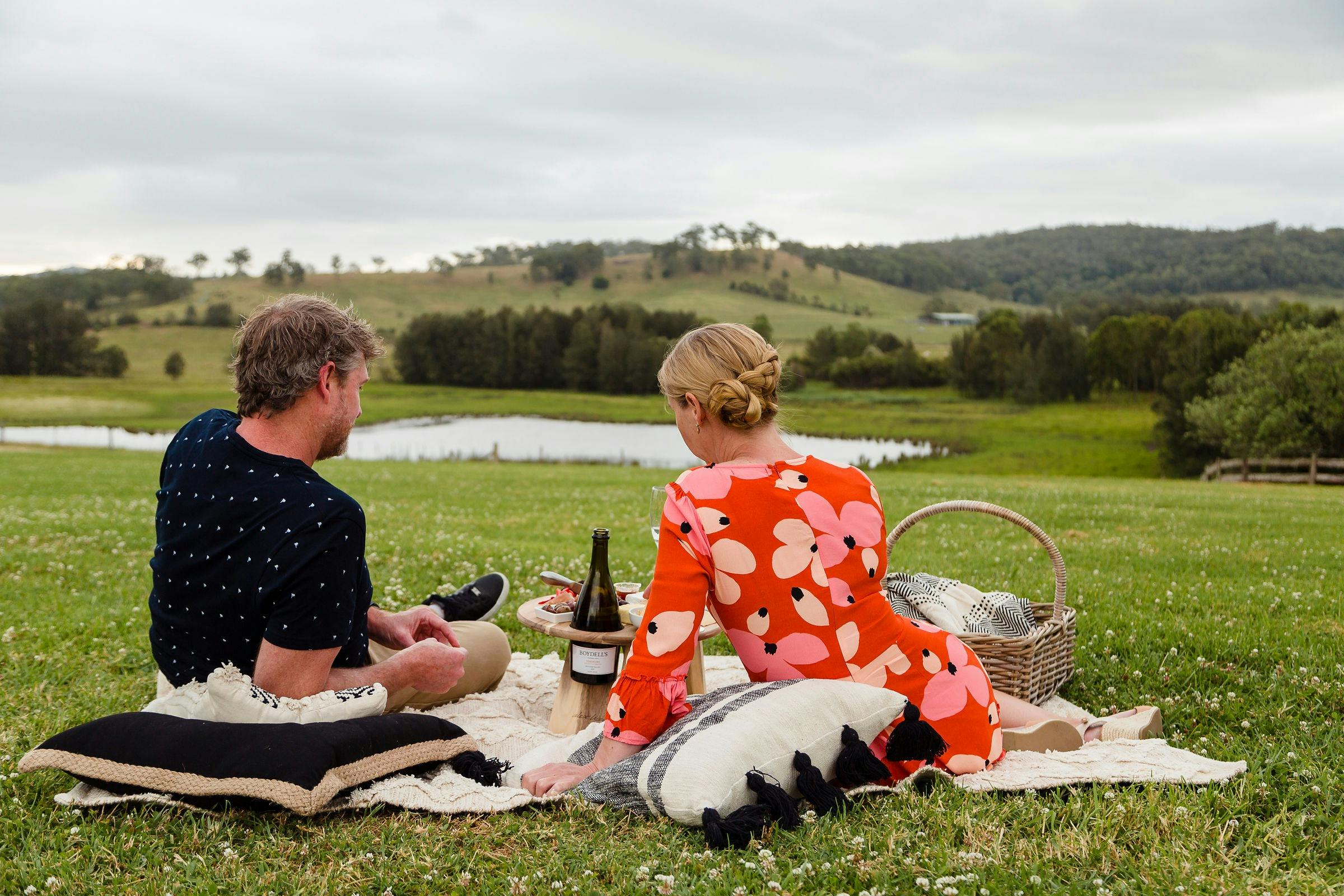
- Enjoy sweeping hillside views and colonial architecture from the air-conditioned comfort of your suite.
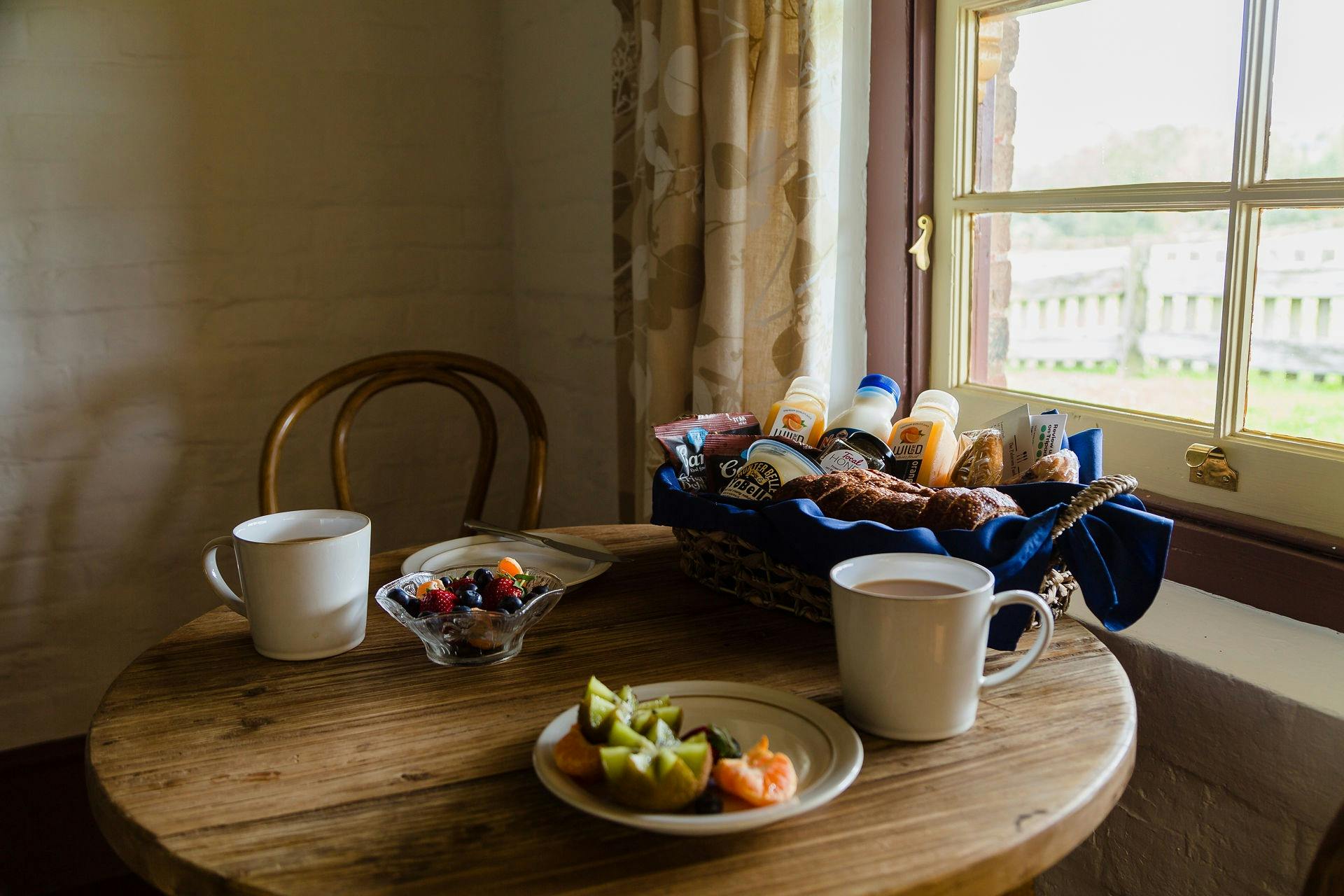
- Savour a complimentary gourmet breakfast hamper delivered to your suite for a leisurely start to your day.
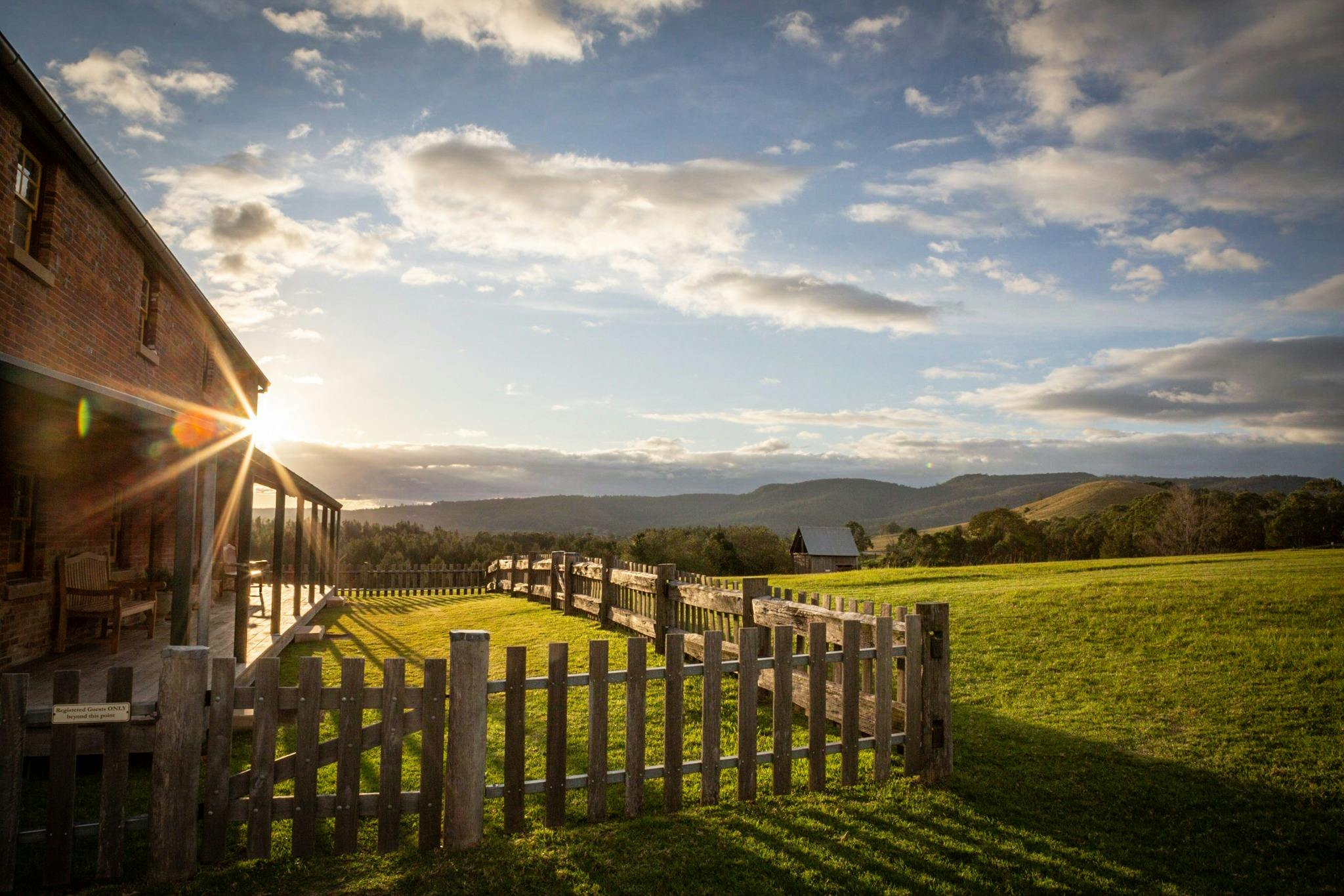
- Relax on the veranda with a cup of tea while watching farm animals graze nearby.
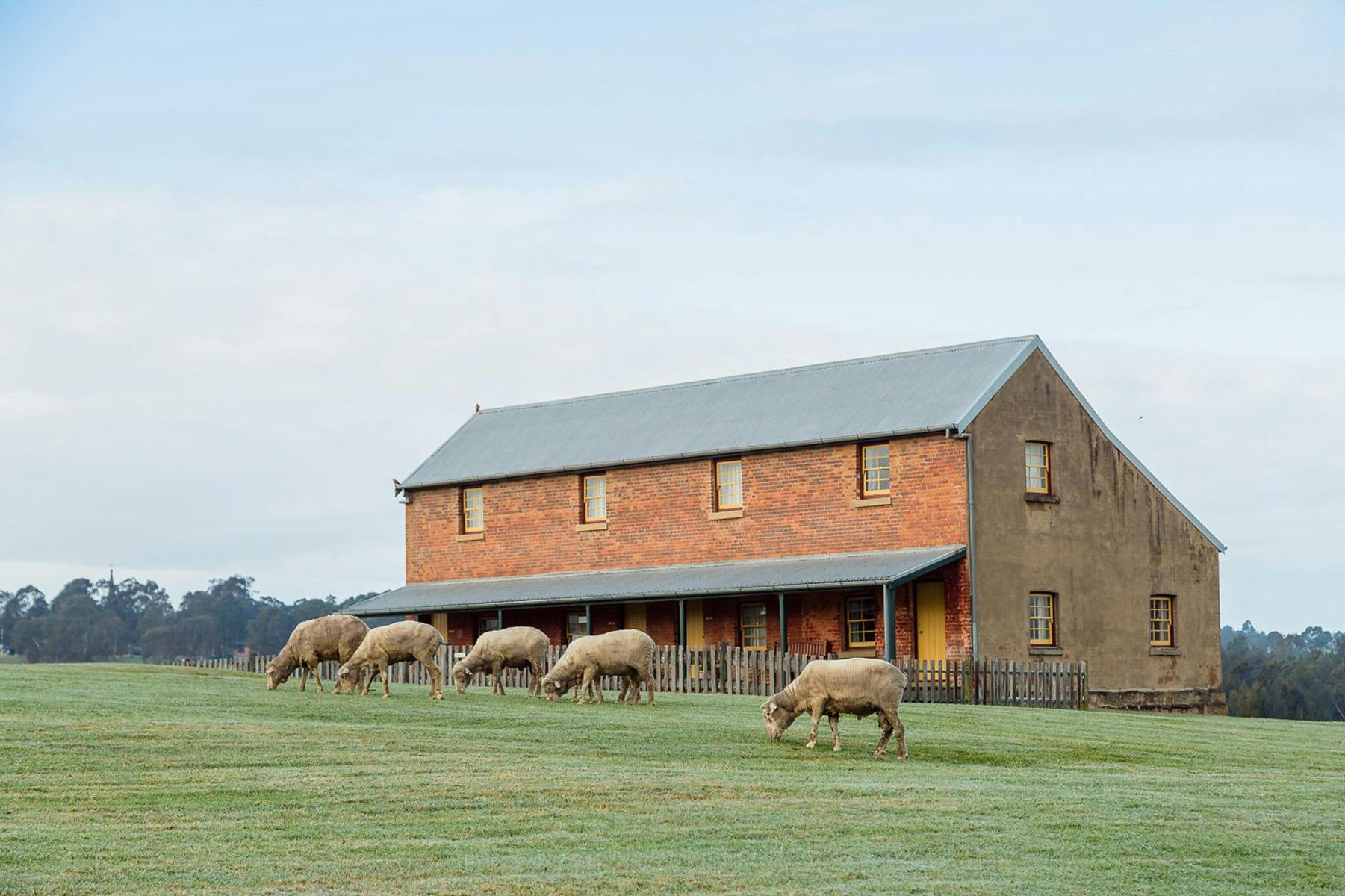
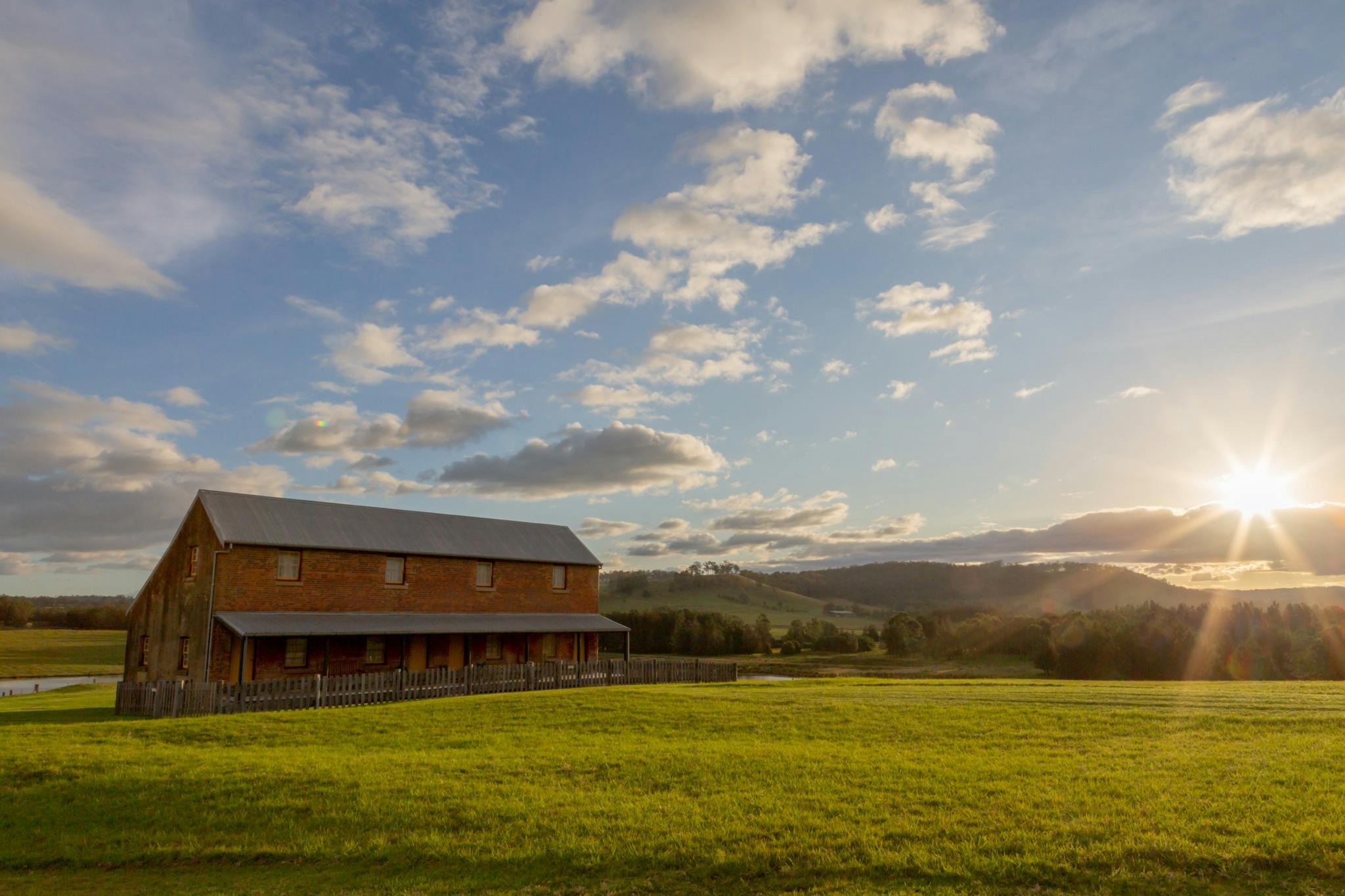
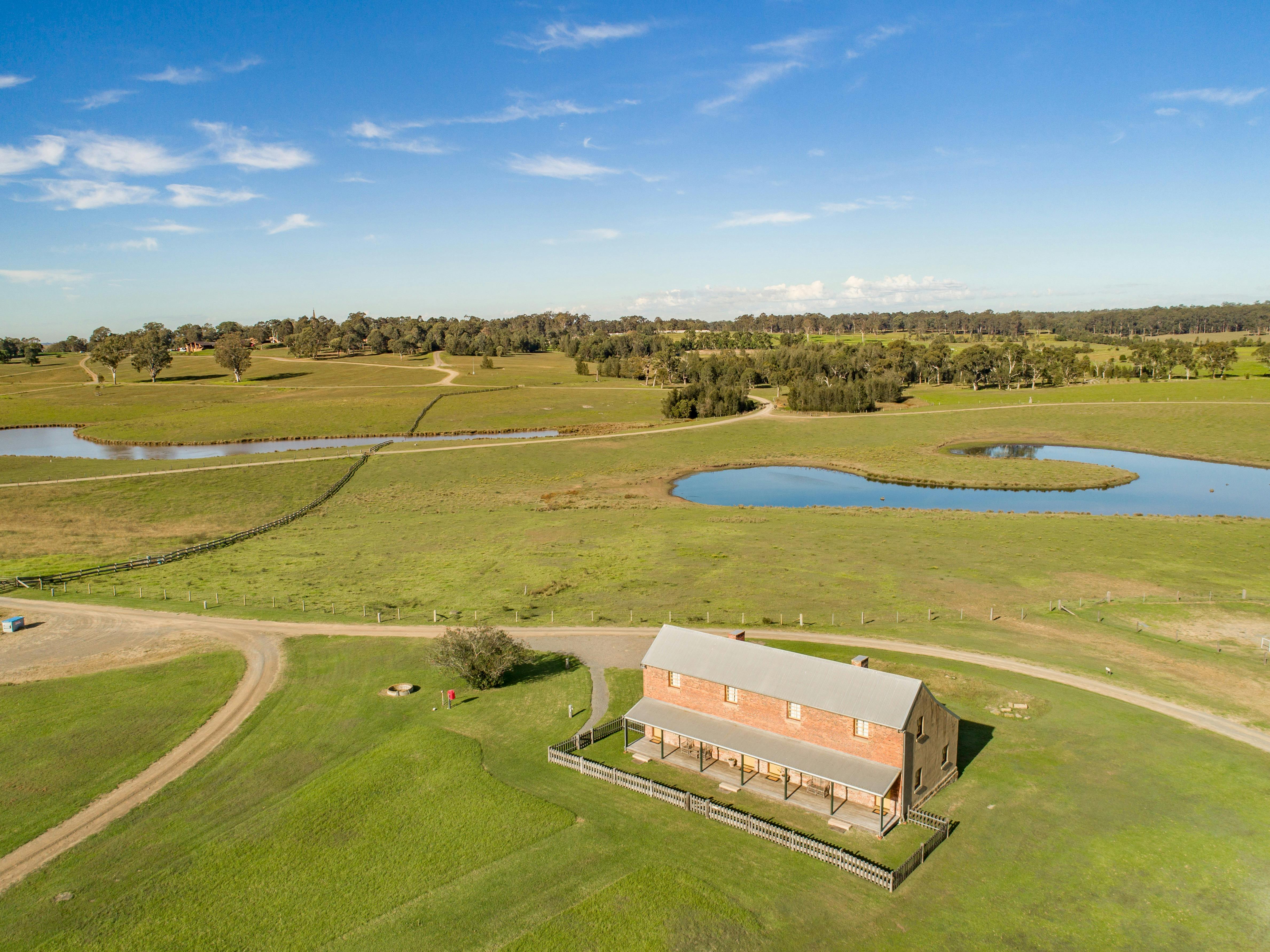
Situated on one of Australia’s oldest colonial working farms, The Barracks provides boutique accommodation on a unique heritage site. The Barracks consist of four suites that have been beautifully restored to provide elegant comforts in the same space where convicts and farmhands worked and toiled over 150 years ago.
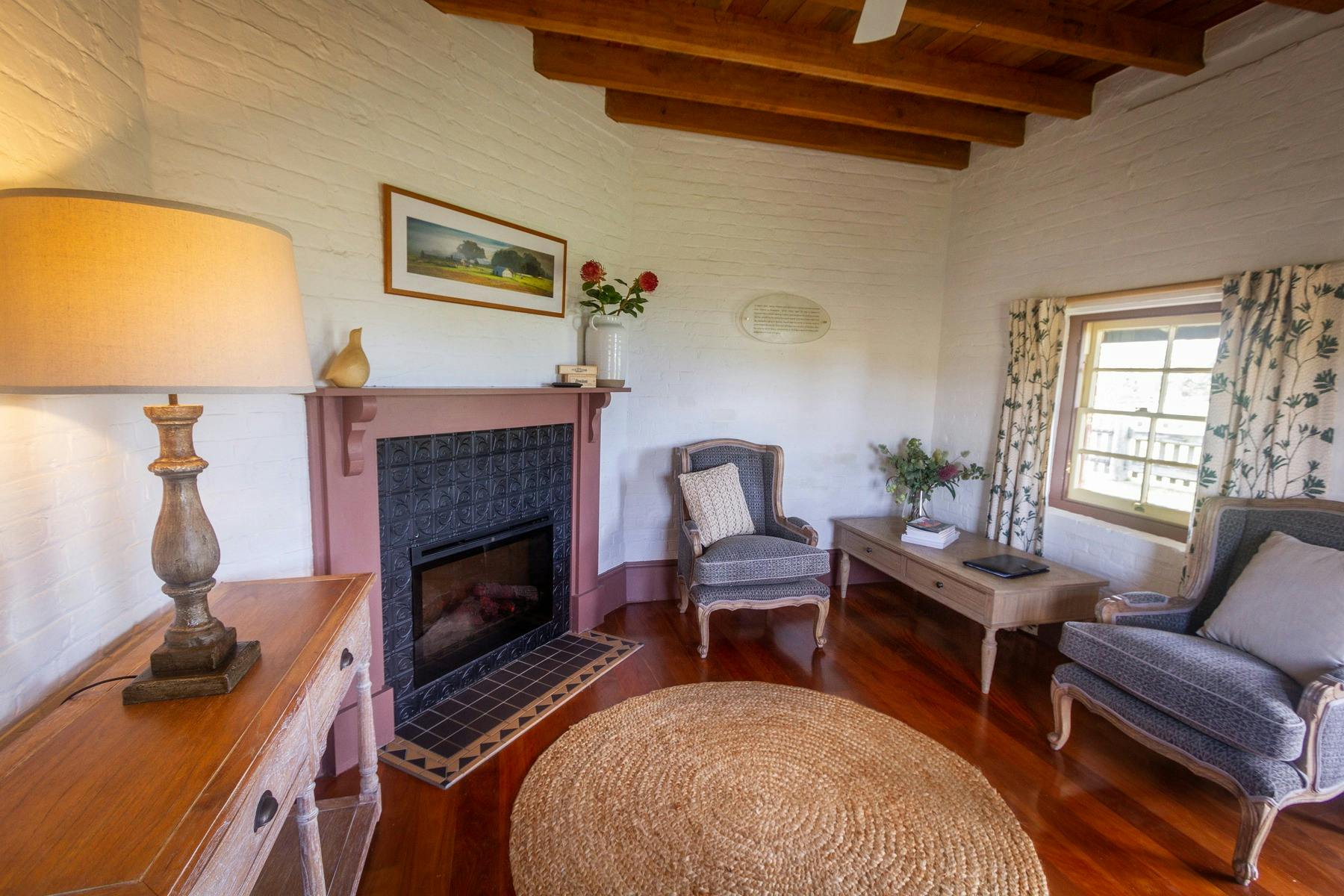
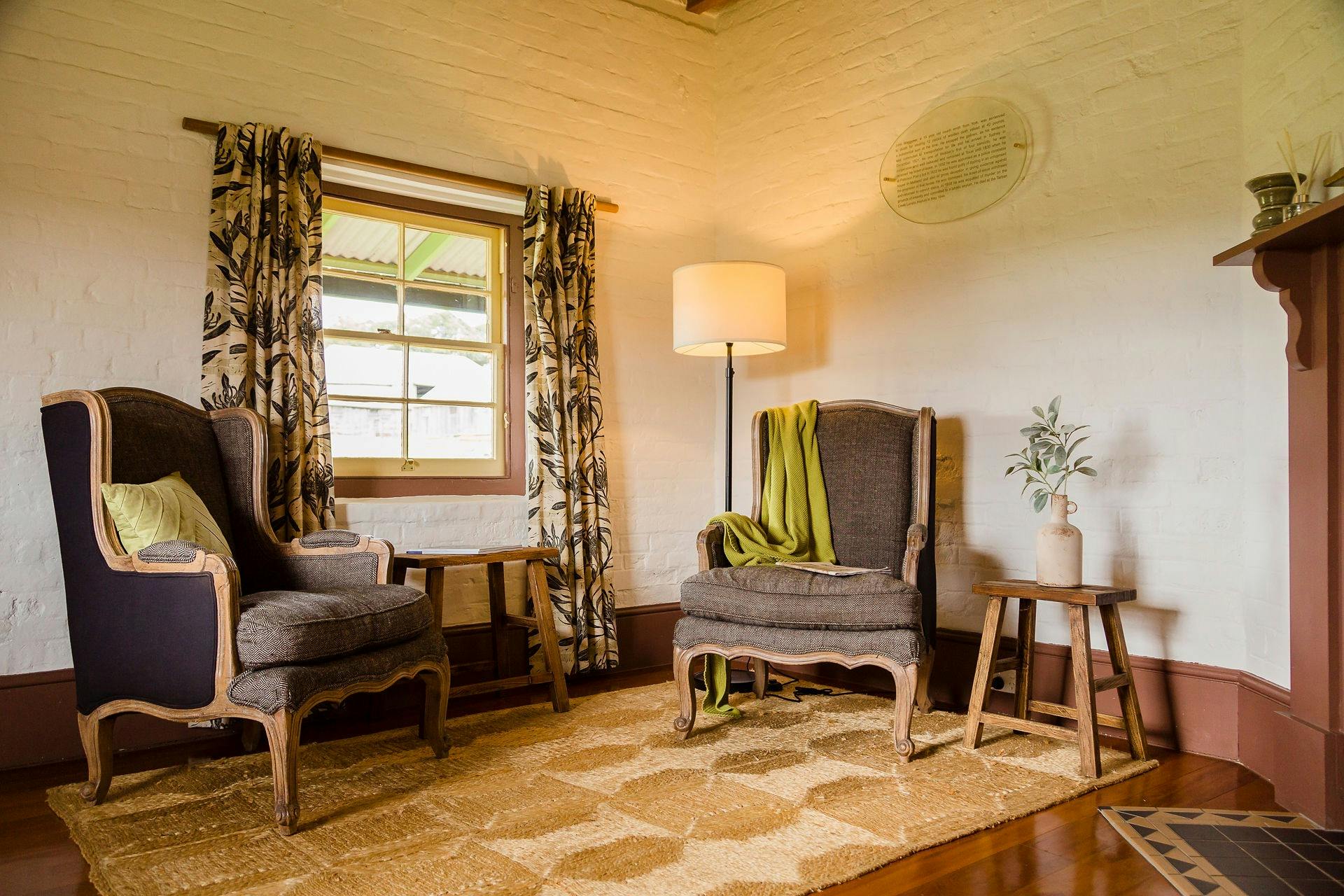
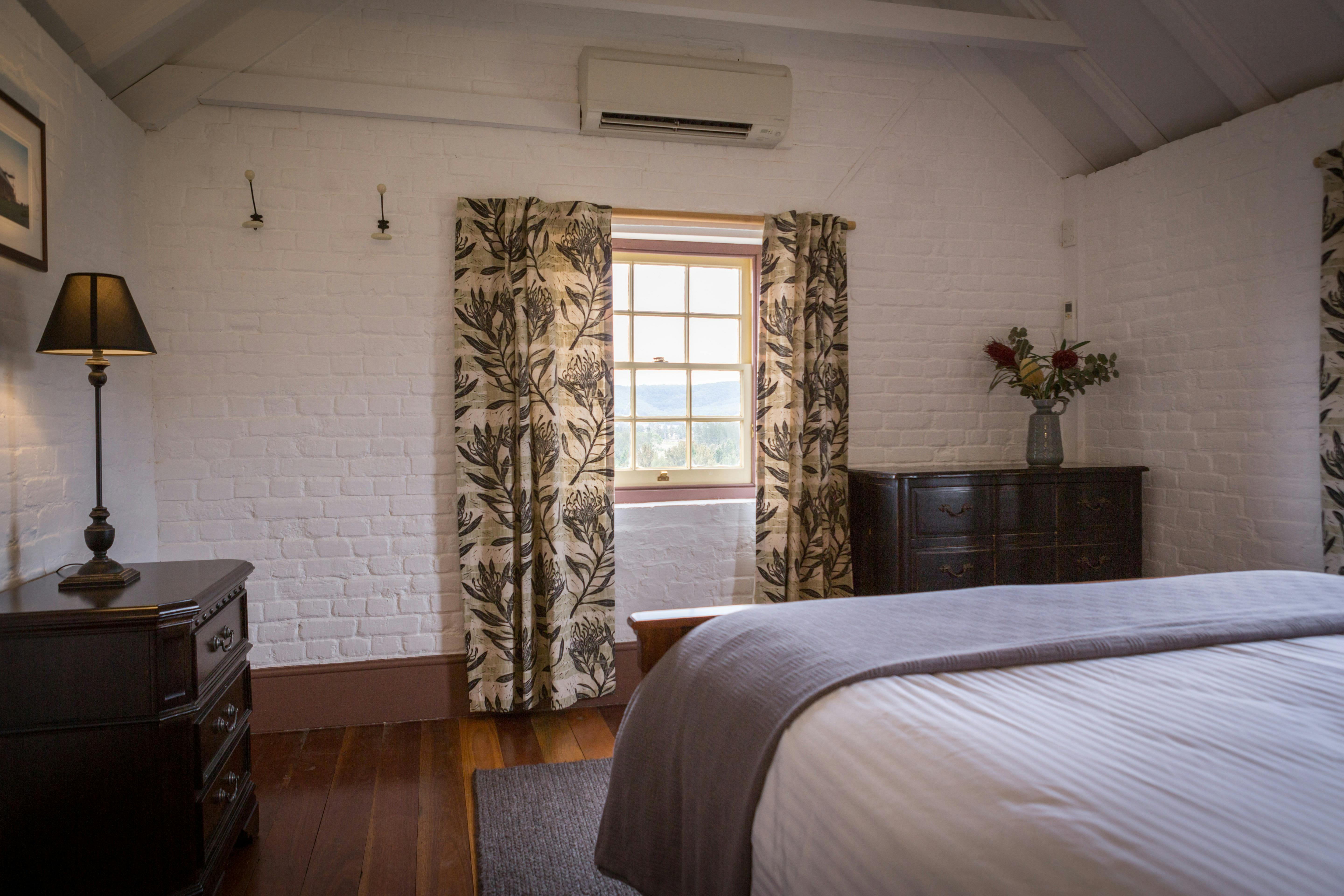
Each suite allows guests to enjoy the same views of sweeping hillsides and colonial buildings in air-conditioned comfort. For those cool evenings, at the push of a button, a restored fireplace is available to warm the sitting room which makes it cosy and comfortable.
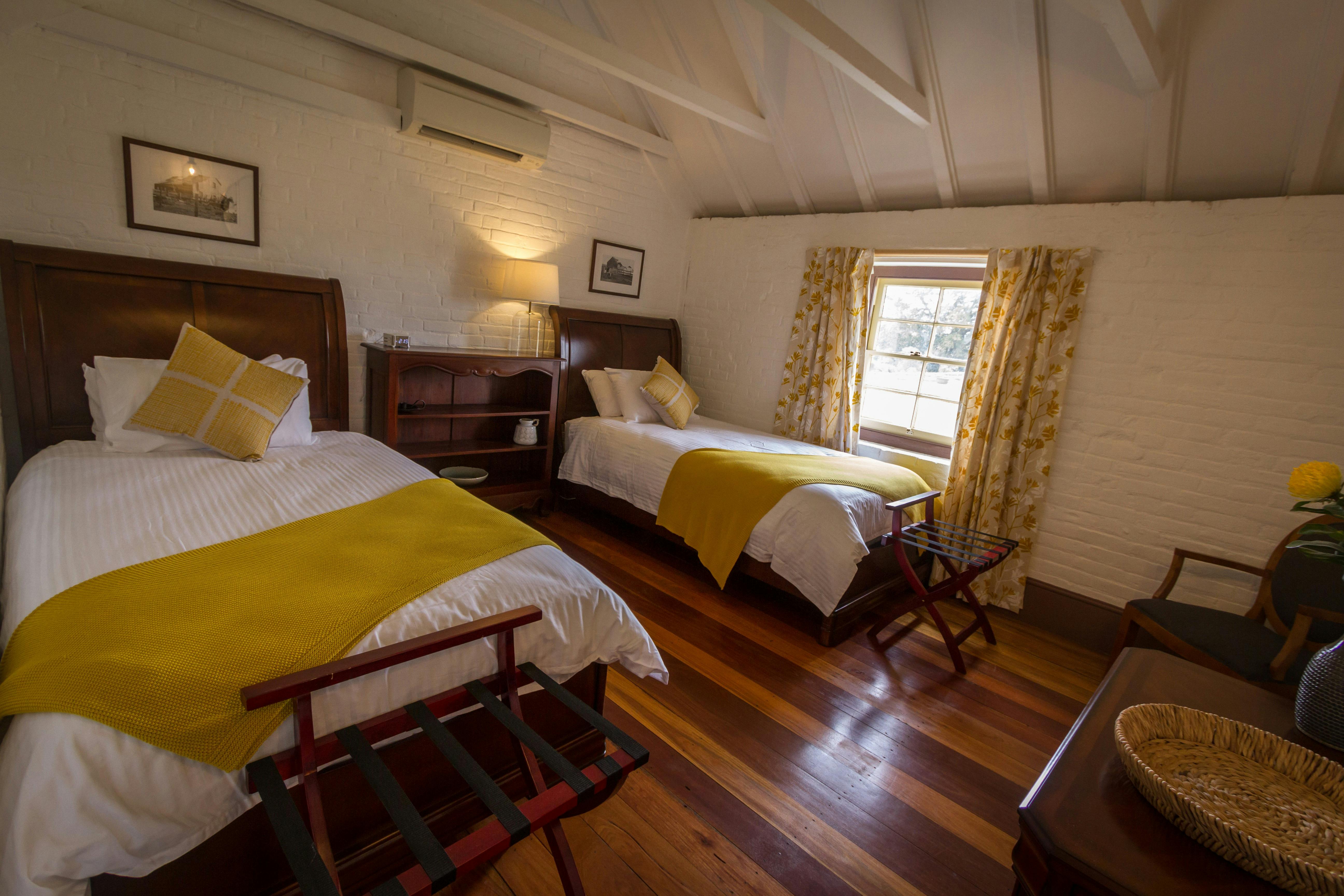
The sitting room, kitchenette and bathroom are downstairs while upstairs are the sleeping quarters. Queen-sized beds are in three of the suites with one suite providing two king-sized single beds.
Tea and coffee-making facilities are available in each little kitchenette with a Nespresso machine, kettle, toaster and bar fridge provided.
A gourmet breakfast hamper is complimentary and delivered to suite for you to enjoy at your leisure. If the view from the room isn’t enough, enjoy a cup of tea outside on the veranda while watching the farm animals graze nearby.
Images and Video

Accreditations
- NSW – Tourism Hunter
Features
Actively welcomes people with access needs.
General access

- Offers multiple options for booking – web, email, phone is available.
- Offers a range of contact methods for receiving complaints.
- Staff are trained in disability awareness.
- Accessibility information and photos, including of a bathroom, room and/or floor plan on their website (can be emailed on request).
- Asks all visitors if there are any specific needs to be met.
- Advise tour guides of the access needs of guests at the time of booking (includes pick up and drop off requirements)
- Assistance with booking arrangements (includes providing clear itineraries with written instructions on what to do at various destinations)
Communication

Welcomes and assists people who have challenges with learning, communication, understanding and behaviour. (includes people with autism, intellectual disability, Down syndrome, acquired brain injury (ABI), dyslexia and dementia)
- Staff are trained in communicating with people with learning or behavioural challenges.
- Uses Plain English / easy read signage and information (includes menus and emergency information)
- A quiet space is available at the venue/ facility.
Vision

Caters for people who are blind or have vision loss.
- Information in large print is available.
- Information in audio format (includes an audio described map of their venue, audio descs of performances and/ or displays) is available.
- Digital communication materials (hard copy information also online) is available.
- Uses easy to read fonts in their signage and communication materials (Helvetica and Arial).
- Staff are trained in customer service for people with vision loss (training would incorporate way finding and communicating with people with vision loss).
- Handrails on all stairways
Hearing

Caters for people who are deaf or have hearing loss.
- Staff are trained in communicating with people who are deaf or have hearing loss.
Physical – Mobility

Caters for people with sufficient mobility to climb a few steps but who would benefit from fixtures to aid balance. (This includes people using walking frames and mobility aids)
- Seating in common areas including reception area
Physical – High support needs

Caters for people with high support needs who travel with a support person.
- Twin beds available on request.
Allergies and intolerances

Caters for people with allergies and intolerances.
- Modify their cooking and cleaning practices to cater for people with food allergies or chemical intolerances (could include menus with meals free from: nuts, dairy, seafood, eggs, gluten etc).
- Staff are trained to respond to allergic reactions.
- Equipment to respond to anaphylactic shock such as epi–pens and defibrillator.
Plan more around this area
 Morpeth, NSW
 Cupz N' Crepes
Come in and try the ever changing menu, with great culinary selections changing weekly. All crepes are made to order.

 Morpeth, NSW
 Commercial Hotel Morpeth
The Commercial has it all. Great pub, fantastic food, cocktail bar and artisan micro brewery, situated in the heart of Morpeth.
 Morpeth, NSW
 The Royal Hotel
The Royal is a beautifully renovated hotel, centrally located on the main street of Morpeth.
 Rutherford, NSW
 Sanma Espresso – Rutherford
Whether you're grabbing a coffee on the go or kicking back with a smoothie bowl, this is the place to be.
 Rutherford, NSW
 The Rutherford Hotel
The locals are what make this pub the heart of Rutherford with its lively trivia nights, meat raffles, live music and delicious weekly specials.
 Rutherford, NSW
 Bec's Cake Creations
With over 26 years experience, Bec is a qualified chef with a passion for creating amazing cakes, cupcakes and cookies for your special event.
 Dungog, NSW
Clarence Town
Clarence Town is a small village nestled on the banks of the Williams River. The township is most famous for building and launching the William IV paddle steamer in 1831, although the town was still called Erringhi at this time. The town was later renamed in 1832 after…
 Dungog, NSW
Gresford
There is a slight complexity about Gresford, there are actually two small villages with the name 'Gresford'. It appears that Gresford was the original township, as it is older and is the location for the school and local Anglican church. But East Gresford is much larger and has…
 Dungog, NSW
Martins Creek – Vacy
Martins Creek is a small country town located between Dungog and Maitland in the Hunter Region. The town is centered on Cory Street, which snakes its way through the centre of the town. The village of Vacy is located at the junction of the Paterson and Allyn rivers,…
 Dungog, NSW
Paterson – Tocal
Paterson is a picturesque riverside town with fascinating heritage, grand colonial buildings and vintage trains. Soak up the ambience of old country pubs and explore the historic charming town. Settled in the early 1800s, it has a stunning collection of historical buildings and a railway museum. Nestled on…
 Dungog, NSW
Upper Allyn
Forest-lined pools and misty mountains, Allyn River country was home to the Gringai people for thousands of years. The Upper Allyn presents a rare opportunity to experience a diversity of natural environments. To explore and best appreciate the Upper Allyn visitors are encouraged to set aside a whole…
 Paterson, NSW
Tocal Farm Tours
Exploring the industry farms at Tocal, you will see and hear about the production of food and fibre as well as how we are educating the farmers of the future. Tocal Farm runs five agricultural enterprises on 2200 hectares (5,500 acres) in the Paterson Valley of NSW, 15…
 Paterson, NSW
 Tocal Homestead Weddings
Tocal Homestead has one of Australia's finest collections of colonial farm buildings dating from the 1830s.
 Tocal, NSW
 Tocal Homestead Weddings and Functions
Tocal Homestead is a unique wedding venue in the Hunter Valley, boasting tranquility, cham and elegance on this beautiful historic site.
 Tocal, NSW
Self-guided Audio Tours
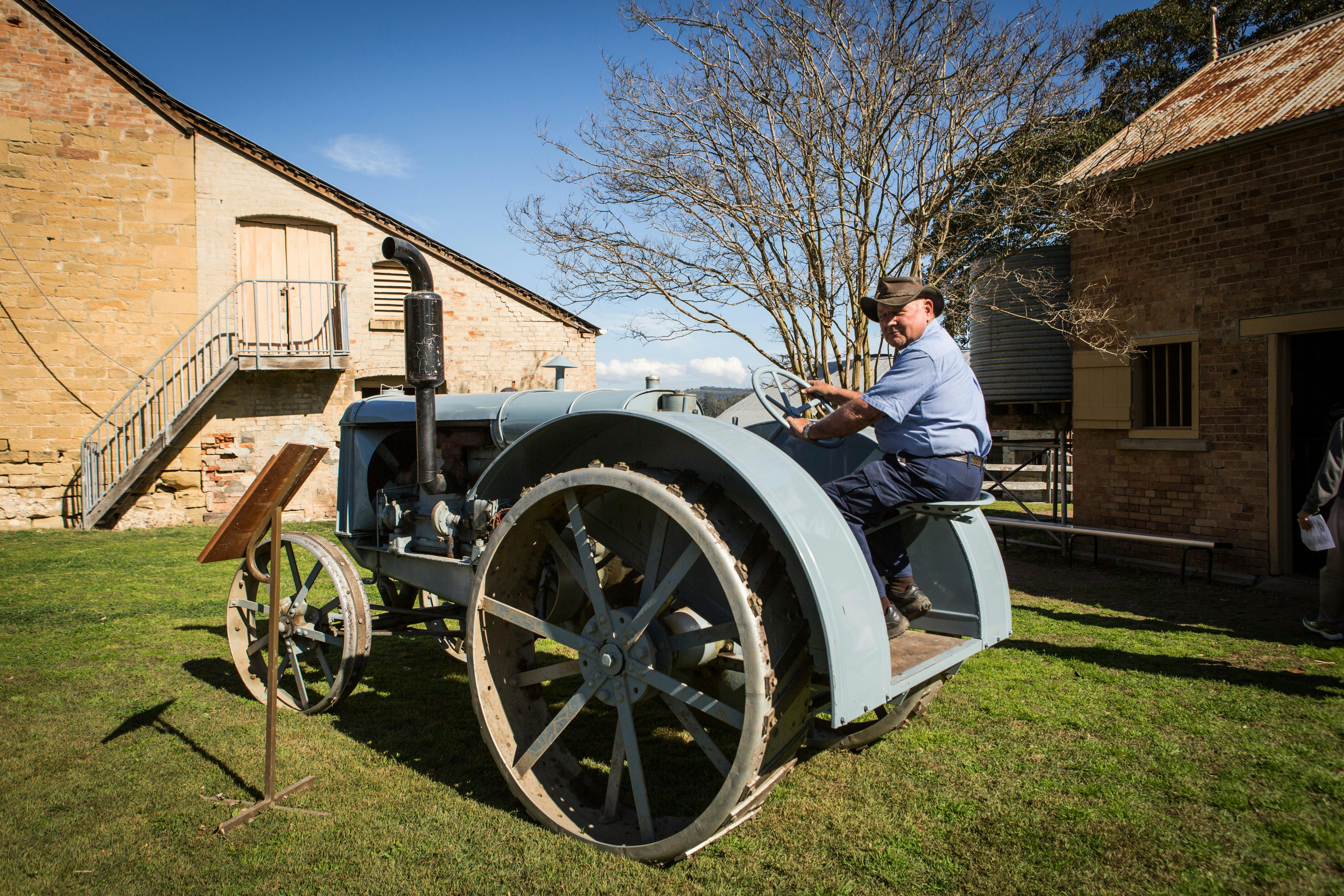
Enjoy one of their self-guided audio tours to learn more about the history of the site including the Homestead, gardens and the working property. Tocal Homestead is open to the public every Sunday between March and November.
 Tocal, NSW
Guided Group Tours
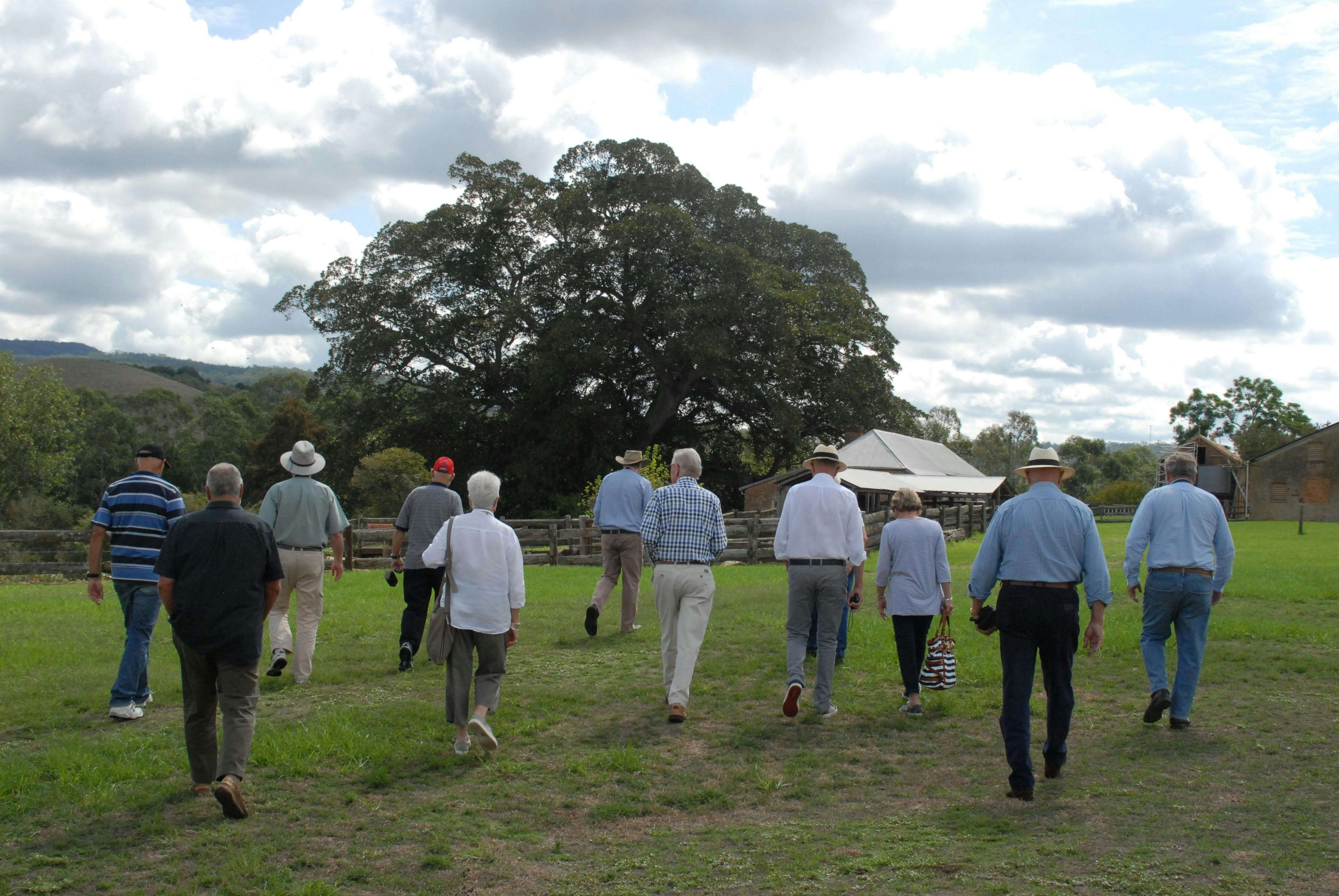
Guided group tours are available to learn more about the history of both The Homestead and Tocal College. During this tour, guests learn about the entertaining characters and activities at Tocal over the past 200 years, as well as the working enterprise of Tocal farms. Lunch is included…
 Paterson, NSW
 Tocal Homestead
Tocal Homestead has one of Australia's finest collections of colonial farm buildings dating from the 1830s.
