
City Hall Clock Tower Tours
Highlights
- Experience the charm of a 1930s hand-operated lift as you ascend Brisbane's iconic Clock Tower.
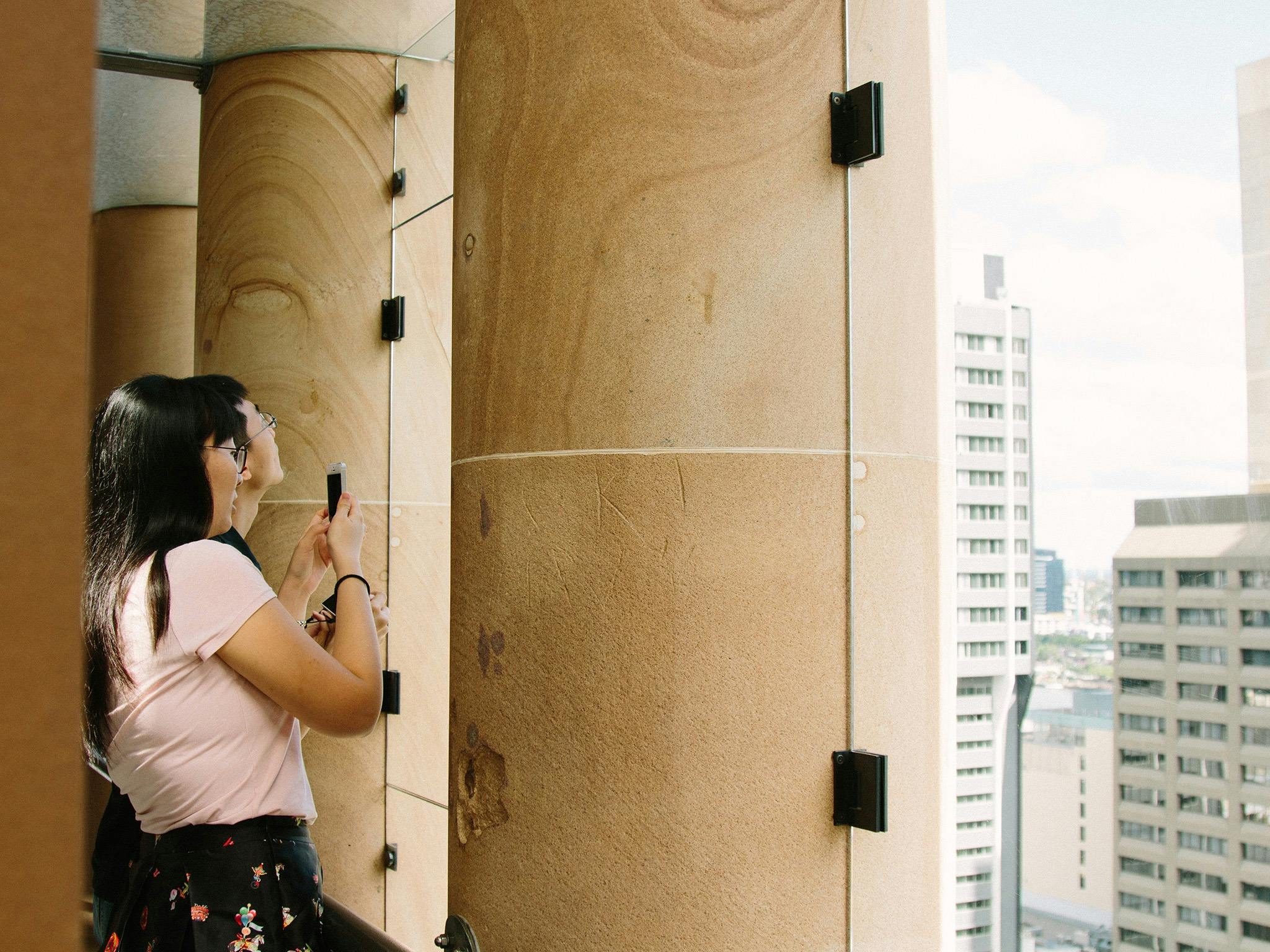
- Enjoy breathtaking views of the ever-changing cityscape from the observation platform at 64 metres high.
- Discover the rich history of Brisbane City Hall on a guided tour that reveals hidden secrets.
- Capture unforgettable moments as you stand on the observation deck, a time-honoured tradition for visitors.
Discover the hidden secrets of your heritage-listed City Hall building with a guided tour of Brisbane’s iconic Clock Tower.
Tours operate daily taking visitors up the Brisbane City Hall Clock Tower in a beautiful, old, hand-operated lift, providing a bird’s-eye view of the city.
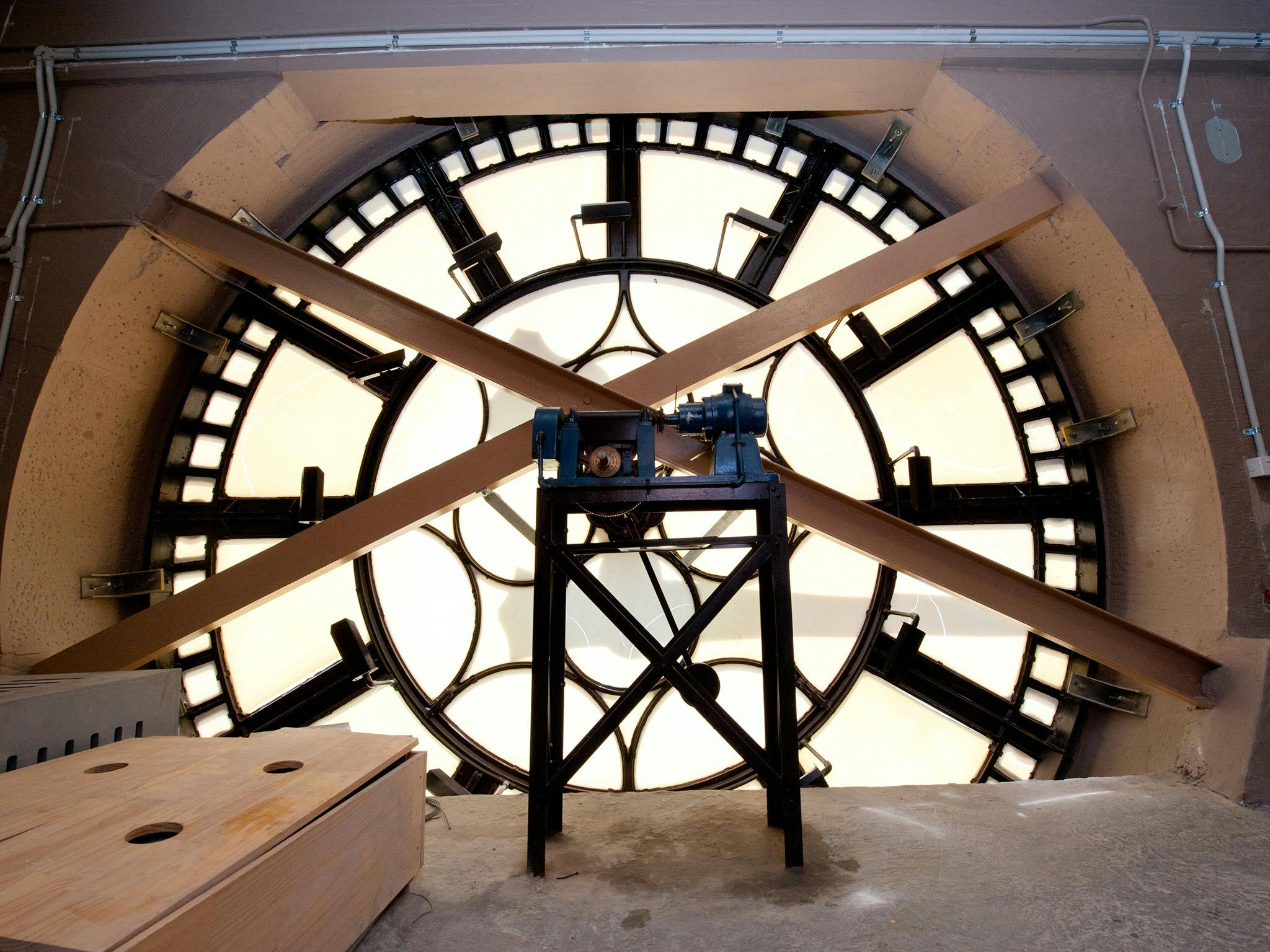
The clock tower has been in operation since the opening of City Hall in 1930, and is 87.47 metres high with an observation platform at 64 metres, which people can walk out onto to absorb the unique view of Brisbane. The city is ever-changing – what better a platform to watch from.
Over the years, hundreds of thousands of visitors have taken a ride up to the clock tower. Whilst the view from the observation deck has changed significantly over the past 80 years, it is still a time-honoured tradition to “go up the Clock Tower”, a tradition which happily continues at Museum of Brisbane.
Make a booking online today to secure your spot! Spaces are limited and fill up quickly.
L
Please arrive 15 minutes before your tour.
Images and Video

Dates & times
- Next occurrence: reoccurring
Accreditations
- Australian Museums and Galleries Association
Features
Tags
Actively welcomes people with access needs.
General access

- Offers multiple options for booking – web, email, phone is available.
- Offers a range of contact methods for receiving complaints.
- Companion Cards are accepted.
- Employs people with disabilities.
- Staff are trained in disability awareness.
- Accessibility information and photos, including of a bathroom, room and/or floor plan on their website (can be emailed on request).
- Asks all visitors if there are any specific needs to be met.
- Website meets <a href="https://www.w3.org/WAI/standards-guidelines/wcag/" target="_blank">WCAG 2.0</a> accessibility standards
- Advise tour guides of the access needs of guests at the time of booking (includes pick up and drop off requirements)
- Assistance with booking arrangements (includes providing clear itineraries with written instructions on what to do at various destinations)
Communication

Welcomes and assists people who have challenges with learning, communication, understanding and behaviour. (includes people with autism, intellectual disability, Down syndrome, acquired brain injury (ABI), dyslexia and dementia)
- Staff are trained in communicating with people with learning or behavioural challenges.
- Uses Plain English / easy read signage and information (includes menus and emergency information)
- A quiet space is available at the venue/ facility.
Vision

Caters for people who are blind or have vision loss.
- Uses easy to read fonts in their signage and communication materials (Helvetica and Arial).
- Staff are trained in customer service for people with vision loss (training would incorporate way finding and communicating with people with vision loss).
- Raised tactile buttons in lifts are available.
- Handrails on all stairways
- Exit signs which are visible at a ground level (high level signs are difficult to see in a fire) are available.
Hearing

Caters for people who are deaf or have hearing loss.
- Staff are trained in communicating with people who are deaf or have hearing loss.
- Volume controlled phones are available.
- Visual alerts for emergencies (Include flashing light) are available.
- A low noise reception areas with hearing loss friendly acoustics and adequate lighting for viewing facial expressions (includes common areas which are free of background noise, background music) is available.
Physical – Mobility

Caters for people with sufficient mobility to climb a few steps but who would benefit from fixtures to aid balance. (This includes people using walking frames and mobility aids)
- Grab rails in the bathroom
- Seating in common areas including reception area
Allergies and intolerances

Caters for people with allergies and intolerances.
- Modify their cooking and cleaning practices to cater for people with food allergies or chemical intolerances (could include menus with meals free from: nuts, dairy, seafood, eggs, gluten etc).
- Complies with The Food Authority requirements for allergy management in food preparation.
- Equipment to respond to anaphylactic shock such as epi–pens and defibrillator.
Access & Inclusion

An access and inclusion statement is available on the business website.
- https://www.museumofbrisbane.com.au/visit-us/access/
Plan more around this area
 Brisbane City, QLD

The Sebel Brisbane
For stylish hotel accommodation in the very heart of Brisbane, look no further than The Sebel Brisbane.

 Brisbane City, QLD
Meriton Suites Herschel Street, Brisbane
Meriton Serviced Apartments Brisbane on Herschel Street is the highest accommodation option available in Brisbane. Offering 259 luxury apartments with simply stunning views.
 Brisbane City, QLD
 Oaks Brisbane Festival Suites
Oaks Festival Towers is built on the site of the original Festival Hall, just minutes on foot from the Brisbane Convention and Exhibition Centre, Southbank.

 Brisbane City, QLD
Sofitel Brisbane Central
Sofitel Brisbane Central’s luxurious interior spaces provide a level of comfort and sophistication that you won’t find in other hotel accommodation near Brisbane’s CBD.
 Brisbane City, QLD
 Roamer Brisbane
Roamer Brisbane is perfectly located 150 metres from Roma street station and Suncorp Stadium, just one kilometre away.
 Brisbane City, QLD
Mantra Midtown
For a Brisbane hotel with a position you simply can’t beat, look no further than Mantra Midtown.
 Brisbane, QLD
 Izakaya Publico
Traditional Japanese elements bring a level of warmth and authenticity, whilst oversized lanterns, provide elevated mood lighting across two floors.

 Brisbane City, QLD
 Zuma Bar and Grill
Awaken your senses and kick start your day the very best way with a cup of fresh, hot and expertly brewed coffee at Zuma.
 Brisbane City, QLD
 Boom Boom Room
Boasting authentic sashimi and yakitori plates, as well as bold dishes, The Boom Boom Room is surely one to experience.
 Brisbane City, QLD
 Irish Murphy's Brisbane
Located on one of the oldest hotel sites in Brisbane.
 Brisbane City, QLD
 Trove Cocktail Bar
At Trove, they have meticulously curated their cocktail menu to honour the unique and vibrant bush tucka ingredients that flourish across Australia.
 Brisbane City, QLD
 Donna Chang
Giving a gentle nod to Sichuan flavours and authentic Cantonese cuisine, Donna Chang offers Modern Chinese dining.
