Parramatta Female Factory
Highlights
- Explore the National Heritage-Listed Parramatta Female Factory, the first purpose-built gaol for women in Australia.
- Discover the historical significance of the 1821 Francis Greenway Buildings, showcasing early Australian convict life.
- Wander through the 1826 3rd Class Penitentiary, site of six significant riots between 1821 and 1848.
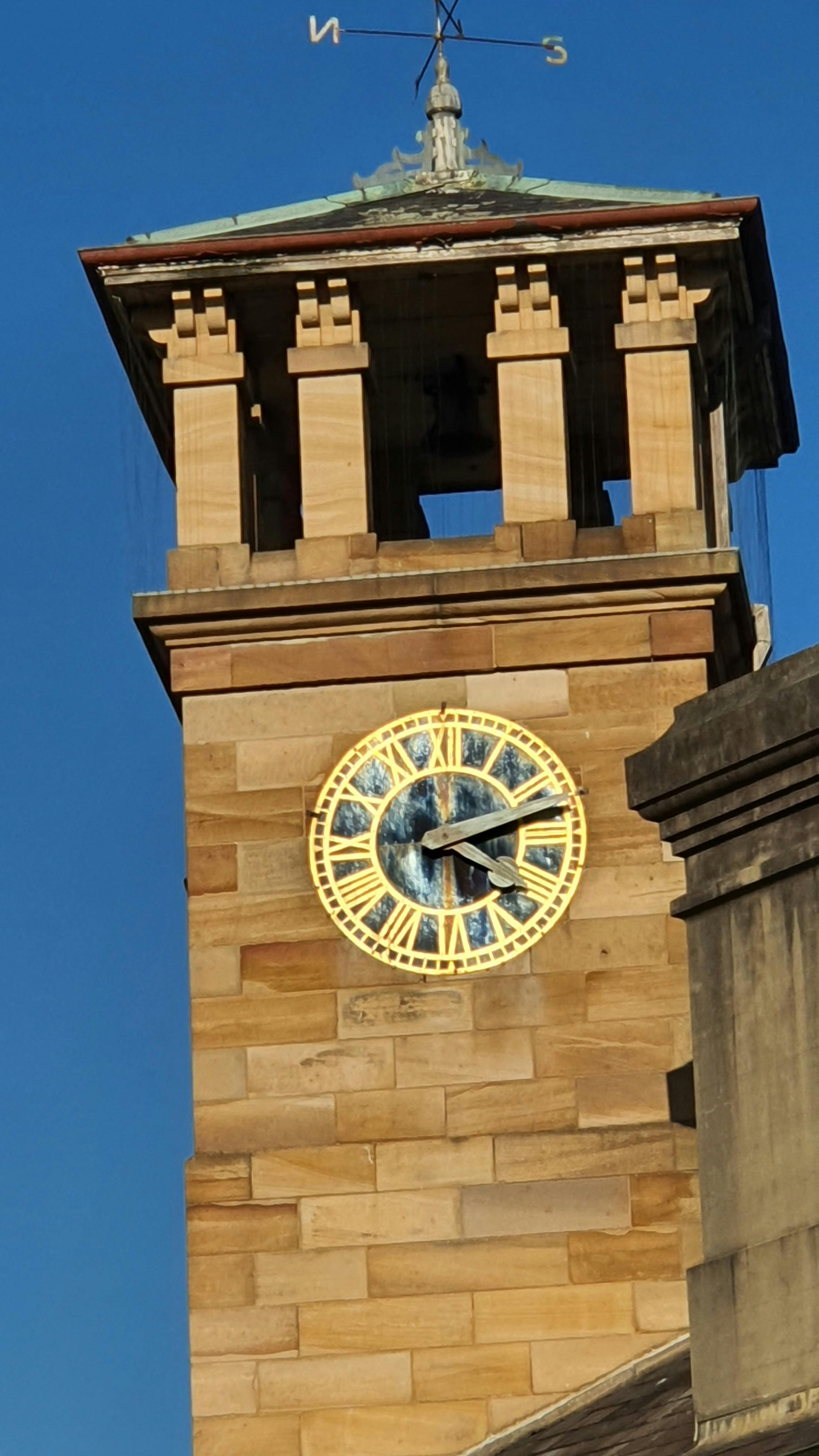
- Visit the clock tower housing an 1821 brass bell, a unique gift from King George IV, still keeping time.
National Heritage-Listed Parramatta Female Factory is the first and only surviving purpose-built factory for female convicts in Australia. All the other 12 Female Factories were modelled on Parramatta and all 12 have been demolished. There are two 1821 Francis Greenway Buildings – the Matron’s Quarters and Administration Building and the Lying-In Hospital which is the first female hospital in Australia. Its midwives delivered 1000s of children. The Factory has an 1826 3rd Class Penitentiary where all 6 Riots occurred between 1821-1848. The Factory walls date from 1818 to 1833 such as Governor’s Gipps Yard Wall which enclosed the Gipps 72 cell solitary confinement building (demolished).
The clock mechanism in the clock tower made by Thwaites & Reed in 1821 houses an 1821 Brass bell which is one of 5 gifted by King George IV on his ascension to the crown. Whilst the original Greenway Barracks were demolished to rebuild with the same sandstone as the Barracks (1818) – an 1870s Lunatic Asylum (Male Ward 1) and the builders were instructed to install the King’s clock tower and bell and it still keeps time.
The Parramatta Female Factory & Institutions Precinct is in the process of being listed for World Heritage through UNESCO.
Images and Video




Accreditations
- National Trust
Features
Tags
Actively welcomes people with access needs.
General access

- Website meets <a href="https://www.w3.org/WAI/standards-guidelines/wcag/" target="_blank">WCAG 2.0</a> accessibility standards
Communication

Welcomes and assists people who have challenges with learning, communication, understanding and behaviour. (includes people with autism, intellectual disability, Down syndrome, acquired brain injury (ABI), dyslexia and dementia)
- Staff are trained in communicating with people with learning or behavioural challenges.
- Uses Plain English / easy read signage and information (includes menus and emergency information)
- A quiet space is available at the venue/ facility.
Vision

Caters for people who are blind or have vision loss.
- Staff are trained in customer service for people with vision loss (training would incorporate way finding and communicating with people with vision loss).
Physical – Mobility

Caters for people with sufficient mobility to climb a few steps but who would benefit from fixtures to aid balance. (This includes people using walking frames and mobility aids)
- Seating in common areas including reception area
Physical – Wheelchair

Caters for people who use a wheelchair.
- Step free outdoor pathways (includes picnic areas, barbecues and shelters)
- Step free access to the conference or function room
- Accessible seating areas in theatrette
- Doorways which are easy to open and have lever handles (doorways 850mm or wider when open and not heavy).
- An accessible public toilet which is unlocked.
- A wheelchair accessible toilet / shower and change room is available.
Allergies and intolerances

Caters for people with allergies and intolerances.
- Staff are trained to respond to allergic reactions.
- Complies with The Food Authority requirements for allergy management in food preparation.
- Equipment to respond to anaphylactic shock such as epi–pens and defibrillator.
- Toiletries which are chemical and fragrance free (if requested).
- Uses organic (chemical and fragrance free) cleaning products.
- Uses organic (chemical and fragrance free) deodorisers in public areas and rooms.
Plan more around this area
 Harris Park, NSW
 Urban Rest Parramatta
Experience the finest of premium living that sets a groundbreaking new standard for accommodation in the area.

 Parramatta, NSW
Mantra Parramatta
Mantra Parramatta is the ideal choice when mixing business with pleasure, just minutes from ANZ Stadium, The Olympic Park at Homebush Bay, and central Parramatta.


 Rosehill, NSW
Mercure Sydney Parramatta
Mercure Sydney Parramatta renowned for personalised and friendly service. Located at the crossroads of major arterial roads, M4, M2, James Ruse Drive and adjacent to
 Rosehill, NSW
 Rydges Parramatta
Located in Sydney’s West, Rydges Parramatta offers modern and spacious accommodation for both leisure and business travellers.
 Rosehill, NSW
 Nesuto Parramatta Apartment Hotel
Nesuto Parramatta Apartment Hotel is ideally located on the fringe of Parramatta's central business district, right in the heart of Sydney’s West.
 West Ryde, NSW
 The Select Inn Ryde
An ideal place for family getaways, sporting groups, going to major events at Homebush, the corporate traveller or just a short midweek leisure stopover.
 Parramatta, NSW
 Heritage Lounge Parramatta
Heritage Lounge brings the glamour and sophistication of the 1920s to the heart of Parramatta, delivering a sleek cocktail bar alongside an upscale Japanese restaurant.
 Parramatta, NSW
 Milky Lane Parramatta
If you're looking for the most delicious burgers in Parramatta while enjoying classic and modern hip hop beats, come join Milky Lane.
 Parramatta, NSW
 Nick and Nora’s
Nick and Nora’s is a cocktail and champagne bar that brings the golden era of glamorous and decadent post prohibition soirees to the modern day.
 Parramatta, NSW
 Eat Street Parramatta
Church Street in Parramatta is one of Sydney’s most exciting dining precincts.
 Parramatta, NSW
 Fishbowl
Fishbowl was founded in 2016 with a simple goal – change fast food, change the culture.
 Parramatta, NSW
 Rivareno Gelato Parramatta
High quality natural artisan gelato made fresh every day, for the authentic Italian gelato experience.
