Images and Video
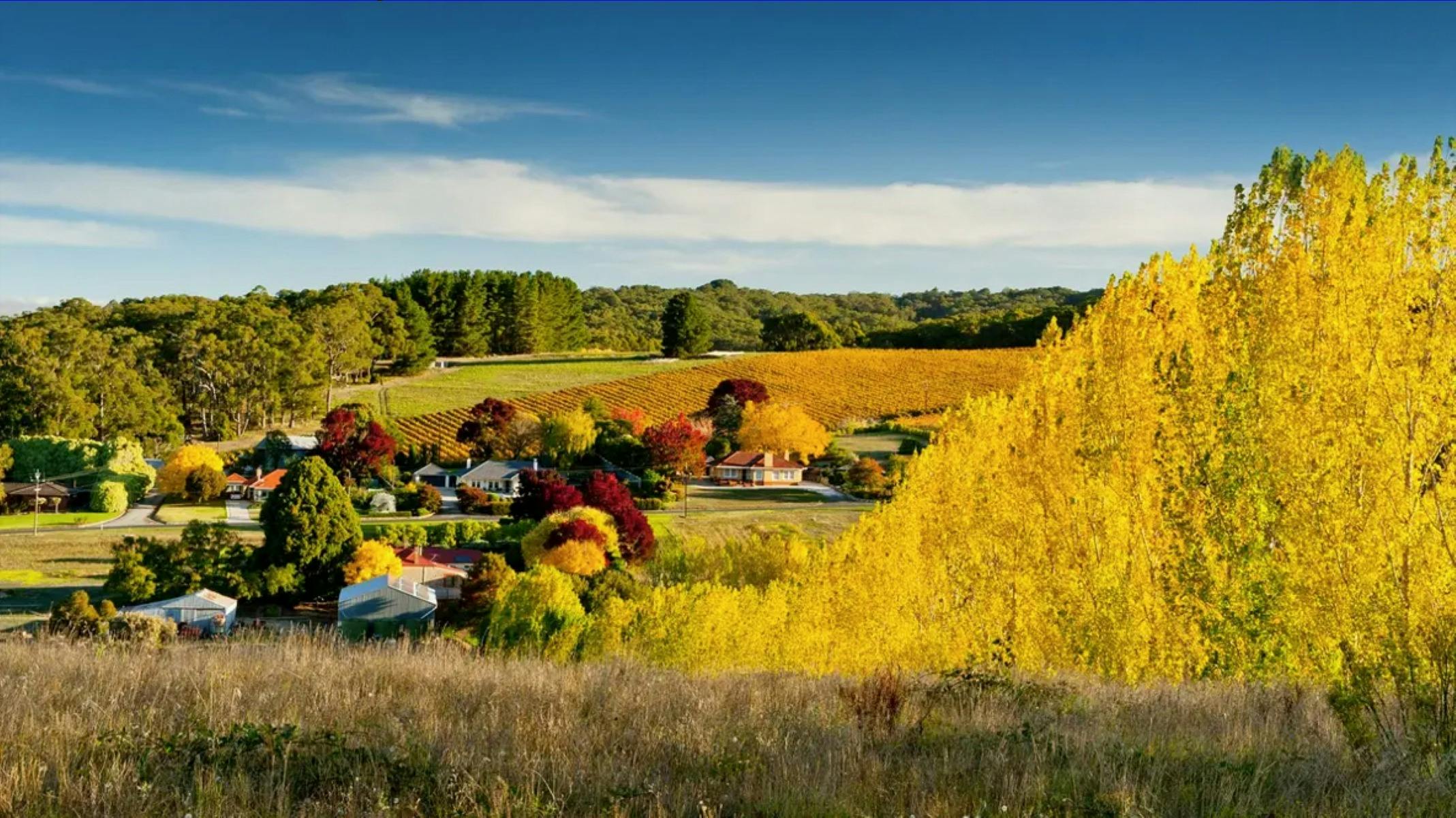
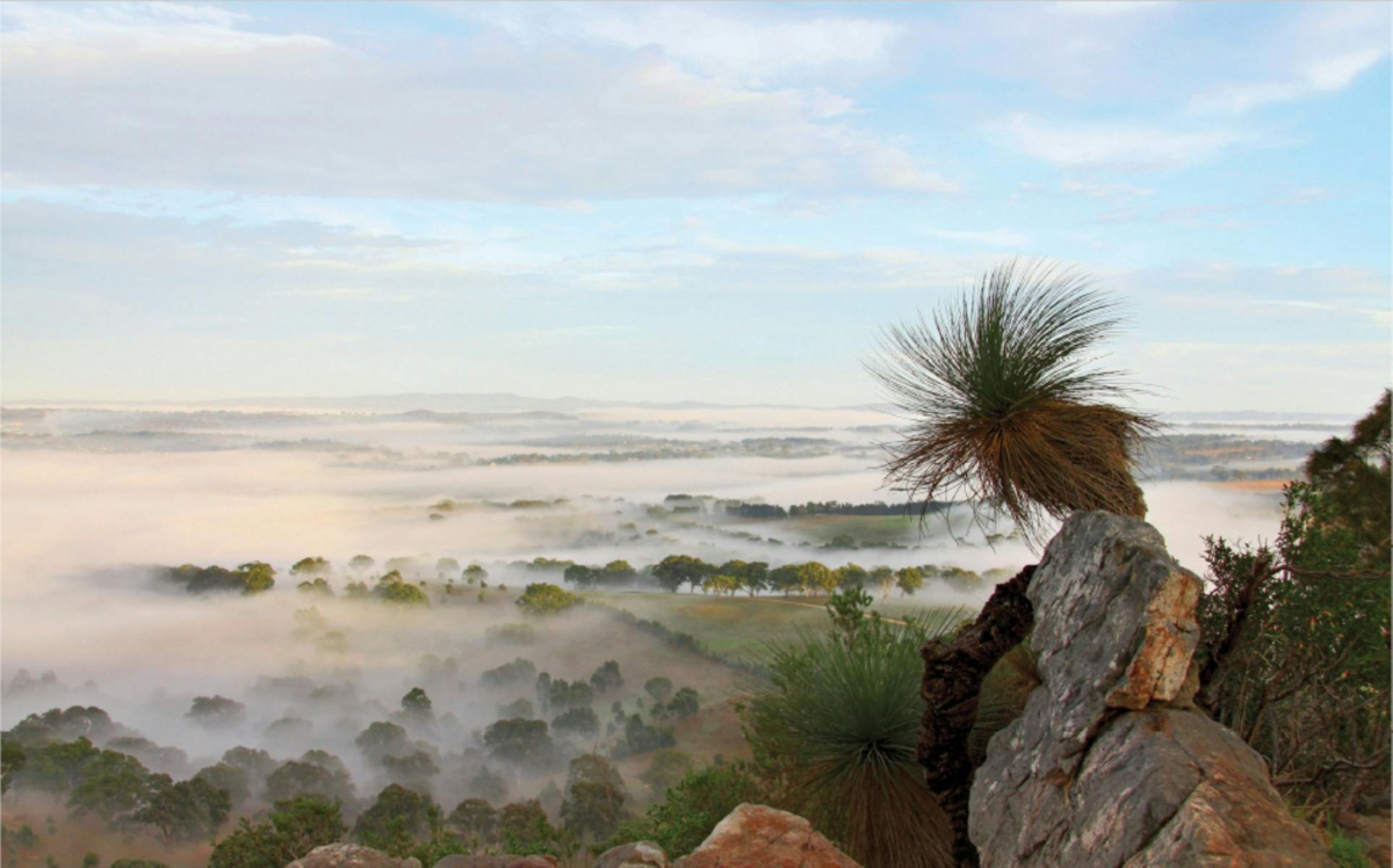
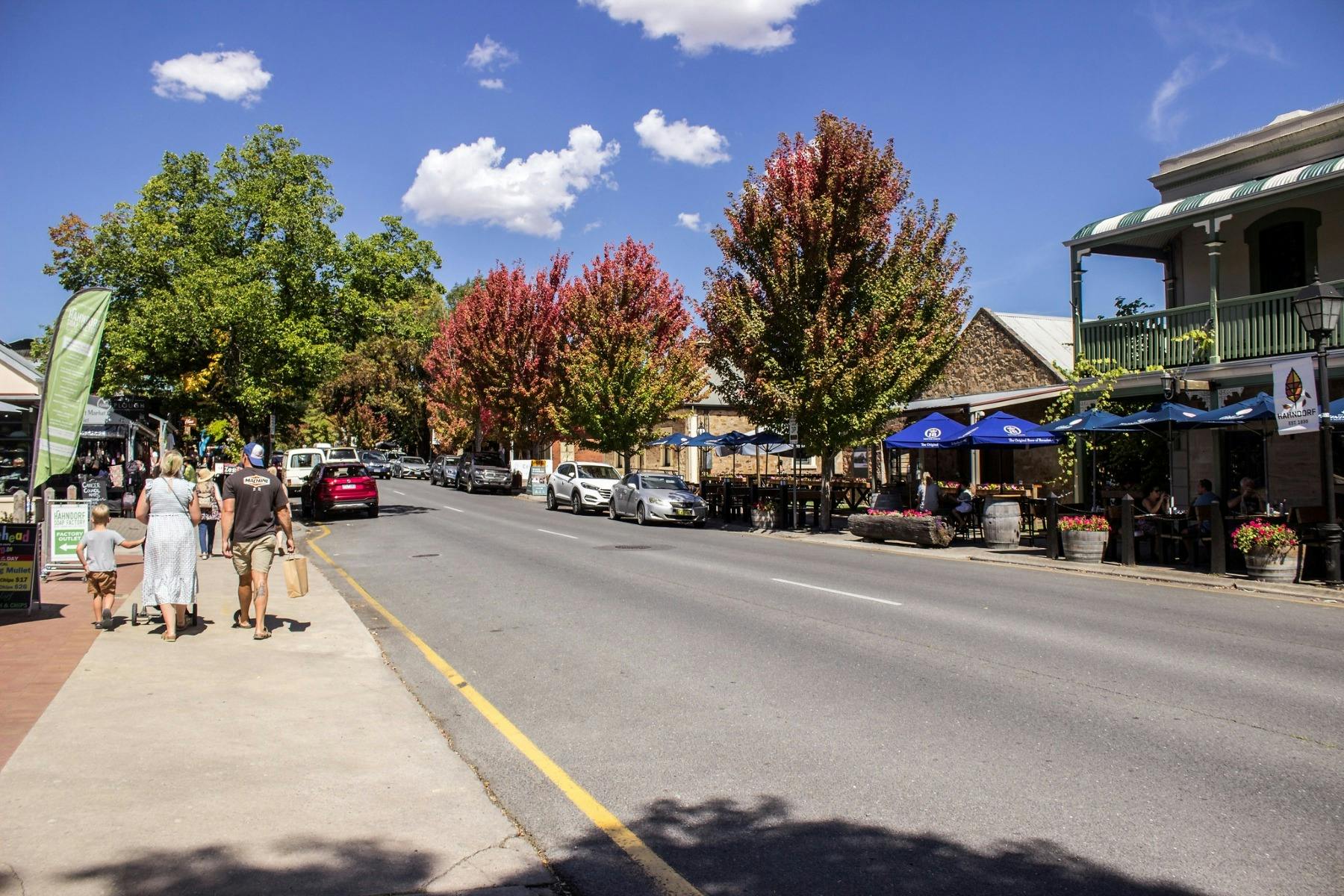


Adelaide Hills – Hahndorf, Mt. Barker, Mylor
Highlights
- Explore Hahndorf's historic main street, where German flavours come alive in charming bakeries and cafes.
- Discover the Laratinga Wetlands in Mount Barker, perfect for bird-watching amidst stunning natural beauty.
- Wander through boutique shops in Mount Barker, then savour local wines at vineyard Ngeringa or Prancing Pony brewery.
- Visit Jurlique Farm for a biodynamic tour, then retreat to Mylor's bushland for a peaceful escape.
Hahndorf is Australia’s oldest surviving German settlement and still has a strong German flavour most evident in the smallgoods outlets, bakeries, pubs, restaurants and cafes that line the bustling main street. A stroll along historic main street is a highlight for many visitors to the Adelaide Hills. Settled in 1839 by Prussian Lutherans seeking religious freedom, Hahndorf is now an artisan village and a delight for shoppers.
In Mount Barker discover the Laratinga Wetlands for prime bird-watching, or scale Mount Barker Summit and take in panoramic views stretching across the Adelaide Hills. Wander down the tree-lined main street and explore boutique shops before stopping for coffee, or a local drop or two at vineyard Ngeringa or award-winning brewery Prancing Pony. On the way to Mylor, stop by the magnificent biodynamic Jurlique Farm for a tour.
Then onto Mylor which retains a quaint, small village feel and where people retreat to enjoy the coolness of the hills and the unique beauty of the areas bushland. Its great attraction is the Warrawong Sanctuary.
Itinerary highlights
Hans Heysen – The Cedars
The Cedars, the remarkably preserved sixty-hectare property and home of renowned artist Sir Hans Heysen, has remained in the family for three generations. Open to the public for over fifteen years, the estate offers a glimpse into Heysen’s life and art.
The homestead, an 1870s Victorian villa, was remodelled into a spacious Federation bungalow with British Arts and Crafts influences after Heysen purchased it in 1912. Largely unchanged since the 1920s, the interior showcases fine furniture, carpets, and a comprehensive collection of Heysen’s work. His famed chalet-style studio (circa 1912) is the nation’s oldest surviving purpose-built artist’s studio.
Visitors can explore Heysen’s restored garden, his daughter Nora Heysen’s studio, and the Artist’s Walk to favoured painting spots. His Ford Model A and caravan are also on display. A dedicated conservationist, Heysen protected ancient gum trees (some 500 years old) on the property. His distinctive paintings established the Australian gum tree as an iconic part of the national consciousness, securing his status as one of the country’s most respected painters.
Hahndorf Hill Winery
Hahndorf Hill Winery, is a boutique vineyard located at the edge of the historic, German-heritage village of Hahndorf. With the cool-climate growing conditions in the Adelaide Hills, they are pioneering the Austrian grape varieties of Gruner Veltliner, Blaufrankisch, Zweigelt and Saint Laurent. Also produced is a Vienna inspired white Field Blend, a Pinot Grigio, Shiraz and a fresh, dry Rosé.
Relax in the glass-enclosed balcony offering views of the vineyard, and enjoy a glass of wine or a wine flight with a cheese plate. Alternatively indulge in ChocoVino, their acclaimed chocolate and wine matching experience. A gourmet taste sensation, where Hahndorf Hill’s fine wines are matched to some of the world’s best chocolate. Bookings are recommended.
Hahndorf
Hahndorf, Australia’s oldest surviving German settlement, was established in 1839 by Prussian settlers. These pioneers sailed from Europe on the ship Zebra under the command of Captain Dirk Hahn. In appreciation for his help in securing the land, the settlers named the village in his honor.
Today, Hahndorf is a contemporary village that proudly displays its German heritage through its traditional streetscape, which features smallgoods, bakeries, folk art, German-style pubs, and fachwerk architecture in its surviving original buildings, like The Hahndorf Academy.
Characteristic features include the chestnut, cork, elm, and plane trees planted along the main street in 1885, many of which remain. The Pioneer Memorial Gardens commemorate the founders and those involved in the settlement’s centenary in 1939.
Following the outbreak of World War I, the town’s name was temporarily changed to Ambleside in 1917, but Hahndorf was officially re-instated in 1935.
Beyond its history, the village is a foodie destination. Visitors can explore the Wolf Blass Gallery & Museum and enjoy South Australian treats like Menz FruChocs, artisan producers such as Udder Delights cheeses and Buzz Honey, various restaurants serving German cuisine, and a handful of main street cellar doors.
Beerenberg Farm
Founded in 1839 as a dairy farm by German migrant Johann George Paech, the property in Hahndorf became the heart of the Beerenberg story. The historic Beerenberg Barn, built around 1845-1850, stands as a testament to the farm’s enduring legacy.
In 1969, Grant Paech and his wife Carol took over the farm after his father’s passing, renaming it “Beerenberg”, German for ‘Berry on the Hill’. This marked a pivotal shift toward berry production, starting with commercial strawberries planted that year.
The 1970s saw the beginning of jam production. Today, the business is run by the sixth Paech generation, Anthony, Robert, and Sally, with Carol still actively involved. Their flagship Strawberry Jam is made from berries grown and picked on the farm.
Beerenberg now produces over 50 different products – including mustards, sauces, and chutneys, all made in small batches using traditional recipes with no artificial additives.
The farm is a major tourist attraction in the German-influenced Hahndorf region. Visitors are drawn to the destination to pick their own strawberries (October to May) and visit the on-site jam kitchen and farm shop, reinforcing the strong connection between the product and its origin.
Nairne
Nairne is one of South Australia’s earliest settlements, founded by Matthew Smillie, who named the town after the maiden name of his wife Elizabeth Corse Nairne. Established in 1839, only three years younger than the state of South Australia, Nairne still retains its colonial village feel.
Nairne was transformed in the early 1880s by the railway, Chapmans factory, (known for George Chapmans Bacon, Ham and Lard), along with the tannery, sawmills, mining and a smelting works.
The first country show was held in Nairne – today it is known as the Royal Adelaide Show. Amos Howard discovered subterranean clover, which altered the whole of farming throughout Australia. Nairne also had the first wind driven flour mill, and the first address on the new Torrens Title land registration system.
The murals of Nairne, depict scenes from that story going all the way back to the first settlers and founders. They were painted by local artists and community members. If you would like to do the Historic Walk, download the PDF from the link below. Take a relaxed stroll, allowing about 1 to 2 hours to complete the walk, factoring in time to stop for photos and enjoy the artwork.
Mount Barker
The story of Mount Barker began with its settlers, who initially focused on dairying, soon shifting to large-scale sheep grazing and wheat cultivation. The booming wheat industry fuelled the town’s first major expansion, leading to the construction of several mills and establishing Mount Barker as the vital hub for the surrounding farming land for over 180 years, since 1840.
Today, while the surrounding area remains important cropping country, Mount Barker itself has transformed. It is now characterized by rapid population growth and development, with expanding retail and industrial sectors. The town acts as an outlying suburb of Adelaide, its accessibility significantly enhanced by the modern South Eastern Freeway and Heysen Tunnels.
The success of its nineteenth-century past is still visible in the many fine Victorian buildings that remain. Visitors can appreciate this history at SteamRanger, the popular heritage train based in Mount Barker. The town is a fantastic destination for a day trip; you can wander the tree-lined main street, explore boutique shops, and enjoy a coffee at one of the many cafes.
Jurlique
Jurlique International Proprietary Limited is an Australian cosmetics manufacturer specialising in natural, botanical-based skincare.
Founded in 1985 by German couple Dr. Jurgen Klein, a biochemist and naturopath, and his wife Ulrike, a horticulturalist, the company’s name is a phonetic combination of their first names. They relocated to the Adelaide Hills for its warm climate a year prior to launch. This farm remains central to the brand today, using certified organic and biodynamic farming methods. Plants are gently harvested by hand at their peak to extract their essence, which is bottled to deliver the intense power of Nature to the skin.
Jurlique is now sold in over 5,000 stores worldwide, including 58 Jurlique concept stores. It claims to be the number two prestige skincare brand in Australia.
Though initially a niche range, the company was purchased by Australian billionaire Kerry Packer in 2002. Following a subsequent sale, the Japanese public company Pola Orbis Holdings purchased Jurlique in 2011 for $355 million, with plans for expansion, particularly into Asia.
Mylor
Mylor retains a small, welcoming village feel, nestled peacefully in the Adelaide Hills landscape.
The town’s heart is defined by community features: the War Memorial, the scenic Mylor Oval—picturesquely edged by the Onkaparinga River—and the historic Mylor Cotton Memorial Hall. Grand old trees shelter a mix of homes, a general store, and the essential village café.
Mylor’s founding holds a unique quirk: the absence of a country pub. Its first settlers were strict Methodists whose belief in temperance meant no pub was ever established, a tradition that continues today. Among the first constructions were a church and a school, establishing the town’s core focus on principle and community.
The surrounding land was settled under the 1885 Working Men’s Blocks Scheme, leading to the town’s proposal. Colloquially known as the “Blockers Town,” the township was officially proclaimed in 1891 and named by Sir James Boucaut after his birthplace in Cornwall, England. Today, Mylor remains one of the most charming and peaceful townships in the hills.
Tour details
- On demand
This business does not currently offer accessible facilities.
Operation information
Go Drivin – Adelaide Hills
Go Drivin offers innovative, self-guided, self-drive experiences to help road trippers explore a destination with ease and make it effortless and enriching. They understand the frustration and time wasted in researching and planning a road trip.
That’s why they’ve created comprehensive maps with turn-by-turn navigation and engaging commentary – to take the stress out of planning and put the focus back on discovery and an immersive and fulfilling experience.
Memberships
- Regional Tourist/Tourism Association/Organisation
- Visitor Information Centre
Plan more around this area
 Balhannah, SA
 Johnson Lodge
Wind your way through the beautiful Adelaide Hills to find yourself at a magnificent getaway just 45 minutes from the CBD.
 Balhannah, SA
 Winemakers Hut
Winemakers Hut is a picturesque one-bedroom cottage set in the heart of the Adelaide Hills Wine region.
 Verdun, SA
 Nestled Cabins
Set within a secluded pocket of the Adelaide Hills, just minutes from Hahndorf, Nestled Cabins offers a refined escape into nature.
 Hahndorf, SA
 The Hahndorf Lodge
Nestled in the charming heritage town of Hahndorf, The Hahndorf Lodge is a 19-room motel set among peaceful, leafy gardens.
 Hahndorf, SA
 The Haus Studios
These exquisite boutique self-contained studio apartments, available in one or two-bedroom split-level configurations, offer a perfect blend of contemporary design and luxury. Nestled in the
 Hahndorf, SA
 Reisen Hotel
Surrounded by the lush allure of the Adelaide Hills, Reisen Hotel is more than a place to stay – it's your permission to slow down.
 Hahndorf, SA
 Comida
A Spanish-inspired restaurant and tapas bar nestled in Hahndorf, boasting a back deck overlooking an expansive garden area.

 Hahndorf, SA
 Somerled Cellar Bar
Somerled is an elegant, welcoming family-owned cellar door located on Hahndorf's Main Street.
 Hahndorf, SA
Sidewood Restaurant & Cellar Door
Sidewood Estate is nestled in the cool climate region of the Adelaide Hills, the heart of Australian premium wine.
 Hahndorf, SA
 Sensory House
Welcome to the Sensory House, a space where you can pause and be closer to the very essence of South Australia.
 Verdun, SA
Grunthal Brew
Home to Grünthal Craft Beer and Cider, Grünthal Gin, Udder Delights Cheese and Hesketh Wine.
 Hahndorf, SA
Hahndorf Venison
Located in the Adelaide Hills, Hahndorf Venison is a family owned & operated business, operating as a specialist venison producer since 1978.
