Dawn of Hope – Walk for Wellness
Highlights
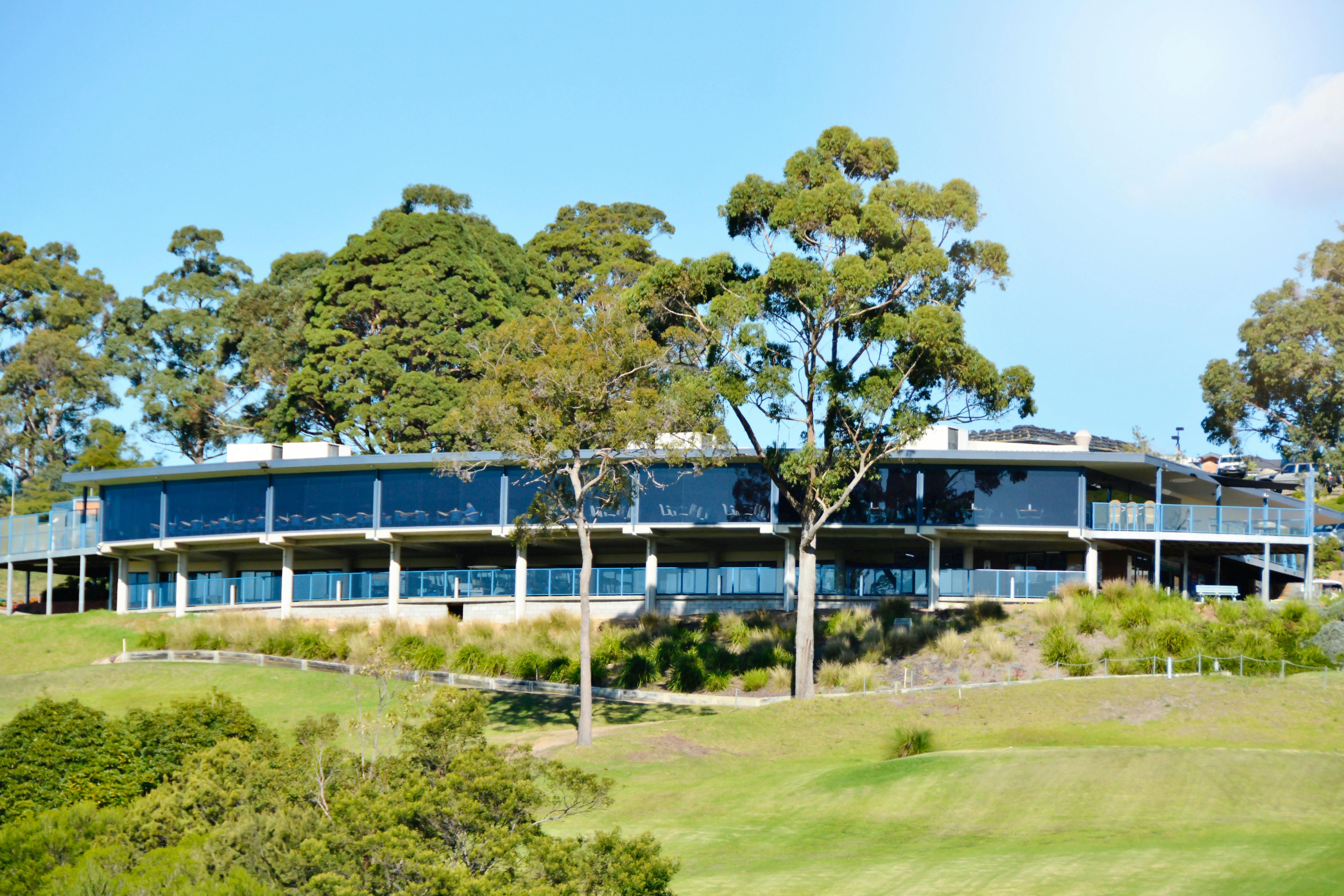
- Join a pre-dawn gathering at the Country Club clubhouse to connect with fellow wellness enthusiasts.
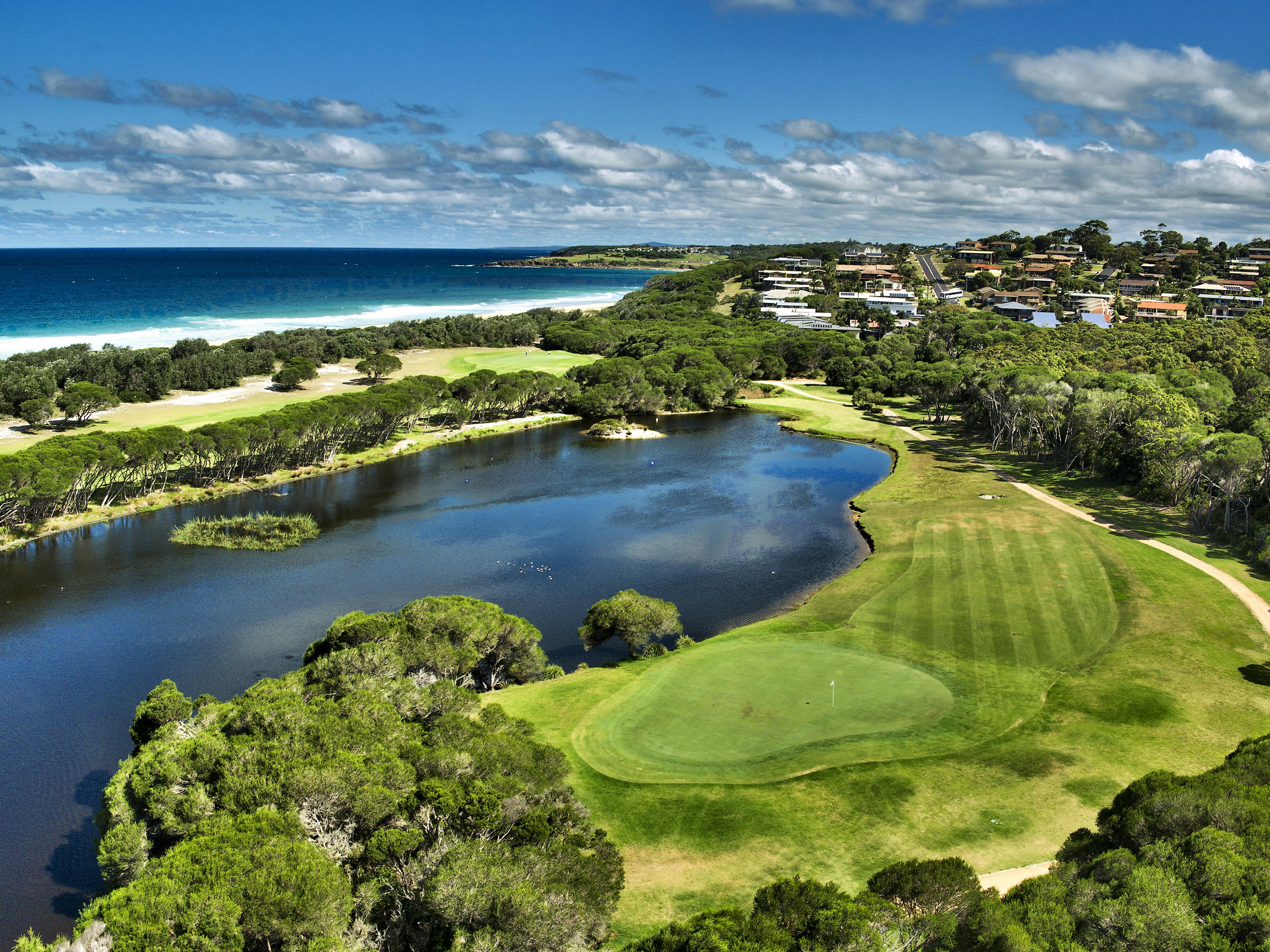
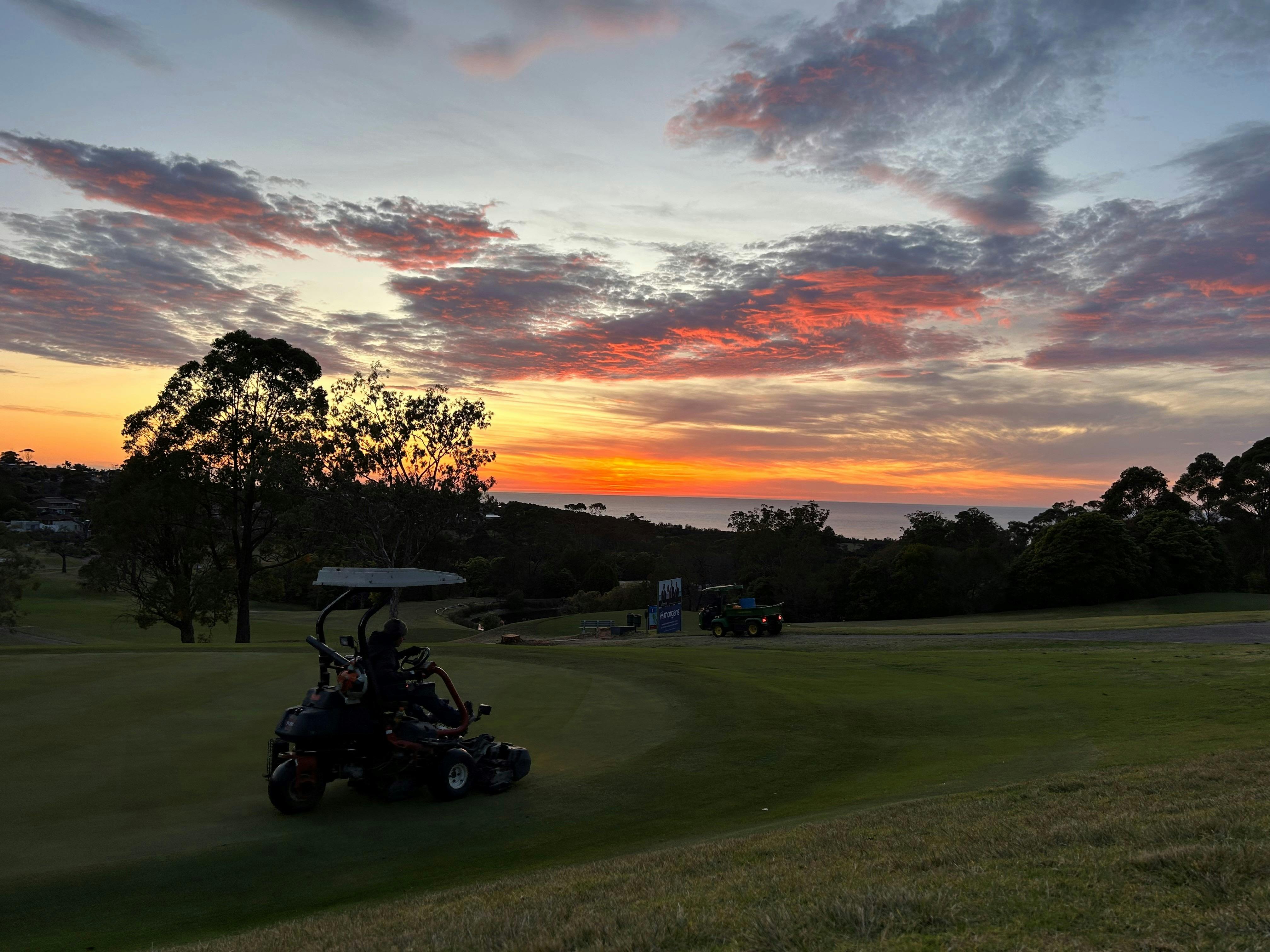
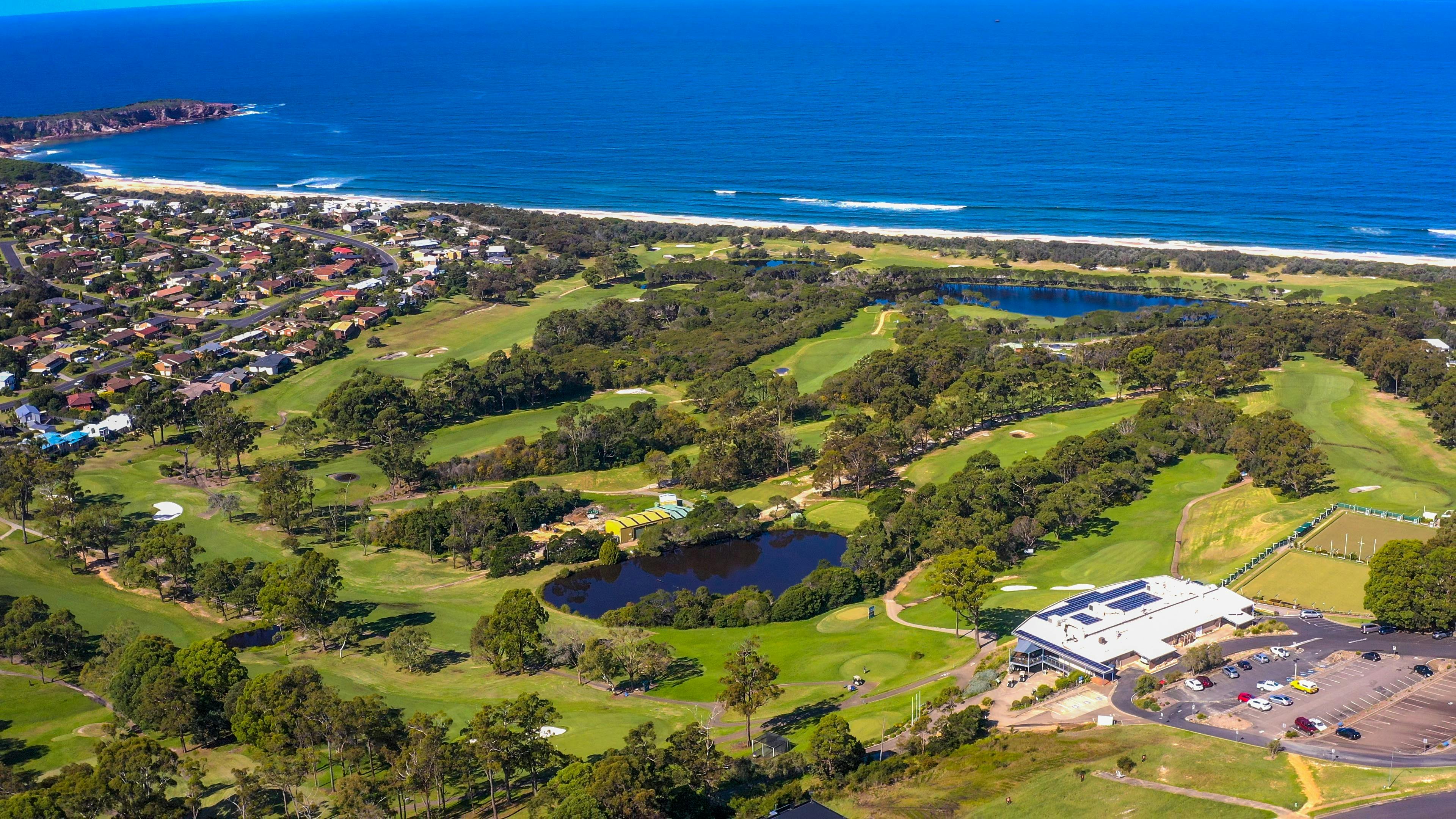
- Walk 3 kilometres through the stunning golf course to Tura Beach while soaking in the serene sunrise.
- Engage with a guest speaker on wellness topics, gaining insights from darkness to light on the sand.
- Savour a delicious breakfast featuring local produce, celebrating the flavours of the Sapphire Coast after your walk.
Attendees meet at the Country Club clubhouse pre-dawn, assemble then walk 3 kilometres through the golf course to Tura Beach. Observe the sunrise. Guest speaker on wellness on the sand (leveraging from the walk theme – from darkness to light)
Group walks back to the clubhouse in daylight – takes part in breakfast with food and beverage sought from local suppliers.
Different wellness partner each year bringing a unique subject to the walk.
Aims to highlight the beautiful Sapphire Coast, wellness topics, leisure lovers and local produce.
Images and Video

Dates & times
- Next occurrence:
Features
Actively welcomes people with access needs.
General access

- Offers multiple options for booking – web, email, phone is available.
- Offers a range of contact methods for receiving complaints.
- Companion Cards are accepted.
- Employs people with disabilities.
- Staff are trained in disability awareness.
- Accessibility information and photos, including of a bathroom, room and/or floor plan on their website (can be emailed on request).
- Asks all visitors if there are any specific needs to be met.
- Website meets <a href="https://www.w3.org/WAI/standards-guidelines/wcag/" target="_blank">WCAG 2.0</a> accessibility standards
- Advise tour guides of the access needs of guests at the time of booking (includes pick up and drop off requirements)
- Assistance with booking arrangements (includes providing clear itineraries with written instructions on what to do at various destinations)
Communication

Welcomes and assists people who have challenges with learning, communication, understanding and behaviour. (includes people with autism, intellectual disability, Down syndrome, acquired brain injury (ABI), dyslexia and dementia)
- Staff are trained in communicating with people with learning or behavioural challenges.
- Uses Plain English / easy read signage and information (includes menus and emergency information)
- A quiet space is available at the venue/ facility.
Vision

Caters for people who are blind or have vision loss.
- Information in large print is available.
- Digital communication materials (hard copy information also online) is available.
- Uses easy to read fonts in their signage and communication materials (Helvetica and Arial).
- Staff are trained in customer service for people with vision loss (training would incorporate way finding and communicating with people with vision loss).
- An appropriate area for toileting an assistance dog is available.
- Handrails on all stairways
- Exit signs which are visible at a ground level (high level signs are difficult to see in a fire) are available.
Hearing

Caters for people who are deaf or have hearing loss.
- Staff are trained in communicating with people who are deaf or have hearing loss.
- Staff are trained in Auslan.
- Volume controlled phones are available.
- Visual alerts for emergencies (Include flashing light) are available.
- A low noise reception areas with hearing loss friendly acoustics and adequate lighting for viewing facial expressions (includes common areas which are free of background noise, background music) is available.
Physical – Mobility

Caters for people with sufficient mobility to climb a few steps but who would benefit from fixtures to aid balance. (This includes people using walking frames and mobility aids)
- Uses floors/coverings which are slip resistant, firm and smooth
- Uses non-slip tiles in the bathroom or slip resistant matting
- Grab rails in the bathroom
- Seating in common areas including reception area
Physical – Wheelchair

Caters for people who use a wheelchair.
- Step free outdoor pathways (includes picnic areas, barbecues and shelters)
- A doorbell or intercom at an accessible height and display a contact number (accessible height is 900mm-1100 mm)
- A step free main entrance to the building and/or reception area (includes ramps or slopes with a maximum gradient of 1:14, otherwise are too steep for wheelchairs)
- Step free access to restaurant, lounge and bar
- Step free access to the conference or function room
- Doorways which are easy to open and have lever handles (doorways 850mm or wider when open and not heavy).
- An accessible public toilet which is unlocked.
- A wheelchair accessible toilet / shower and change room is available.
- Wheelchair access to amusements and activities including boats and bush trails (includes tour rides, skyways, trolley cars, flying fox, amusement rides and boating).
- A wheelchair/scooter charging station (power point) in an accessible location is available.
- At least one wheelchair accessible parking space with wheelchair accessible signage clearly displayed (International standards are 3200mm wide x 2500 mm high).
Physical – High support needs

Caters for people with high support needs who travel with a support person.
- A bathroom which is fully accessible and equipped with ceiling hoist and adult change table.
- A place to store medical equipment (eg oxygen).
Allergies and intolerances

Caters for people with allergies and intolerances.
- Modify their cooking and cleaning practices to cater for people with food allergies or chemical intolerances (could include menus with meals free from: nuts, dairy, seafood, eggs, gluten etc).
- Staff are trained to respond to allergic reactions.
- Complies with The Food Authority requirements for allergy management in food preparation.
- Equipment to respond to anaphylactic shock such as epi–pens and defibrillator.
- Uses organic (chemical and fragrance free) cleaning products.
Plan more around this area
 Merimbula, NSW
 Anchor Bell Apartments
These spacious two and three-bedroom apartments offer you a lovely base to explore all of the great treasures that Sapphire Coast has to offer.
 Merimbula, NSW
 Harbour Lights
Spacious, modern, refurbished, clean and set in an extensive and relaxing garden atmosphere with superb water views of Merimbula Bay and the Pacific Ocean.
 Tura Beach, NSW
 Kira Lani
If you are looking for a quiet getaway, Kira Lani may be precisely what you are looking for!

 Merimbula, NSW
 Baywatch Apartments
Baywatch Apartments have some of the best views of the Merimbula Lake and Merimbula bar.
 Merimbula, NSW
 The Palms Apartments Merimbula
Enjoy some beautiful Merimbula accomodation and everything The Sapphire Coast has to offer while staying centrally located at The Palms Apartments, Merimbula.
 Merimbula, NSW
 Blue on Collins
Boasting both location and looks, ADS is a fully renovated, split level, pet-friendly home.
 Merimbula, NSW
 Club Sapphire Merimbula
Pacific Bistro and Kitty’s Bar and Restaurant are located in Club Sapphire in the centre of Merimbula.
 Merimbula, NSW
 Kitty's Bar and Restaurant
Opened in January 2022, Kitty's is a high-end cocktail bar and restaurant in the beach town of Merimbula on the Sapphire Coast.
 Merimbula, NSW
 Monti Restaurant and Bar
Bar Monti offers a modern approach to an authentic Italian dining experience- a space for family and friends, tasty food, fine wine and good times.
 Merimbula, NSW
 Bar Superette
A casual continental Wine Bar and store with Petit Bistro and Restaurant in the heart of Merimbula, serving the best quality produce sourced locally and
 Merimbula, NSW
 Mitchies Espresso Bar
Perched on the edge of stunning Merimbula Lake is a little hot spot busy with local swimmers, SUP boarders, kayakers, kids, dogs, and wandering visitors.
 Merimbula, NSW
 Bar Beach Kiosk
A Merimbula local's favourite spot for coffee and eats, Bar Beach Kiosk is enhanced by spectacular ocean views out to Bar Beach and Merimbula.
