Shadowfax Winery
Highlights
- Savour handcrafted Chardonnay, Pinot Gris, and Pinot Noir at Shadowfax Winery, enhancing your palate with regional flavours.
- Indulge in Mediterranean-inspired dishes while enjoying stunning views in Werribee Park, creating a perfect dining experience.
- Explore the vibrant atmosphere with live music every weekend, adding a lively touch to your wine tasting.
- Discover expert advice on wine pairings from the friendly team, ensuring your meal complements each sip perfectly.
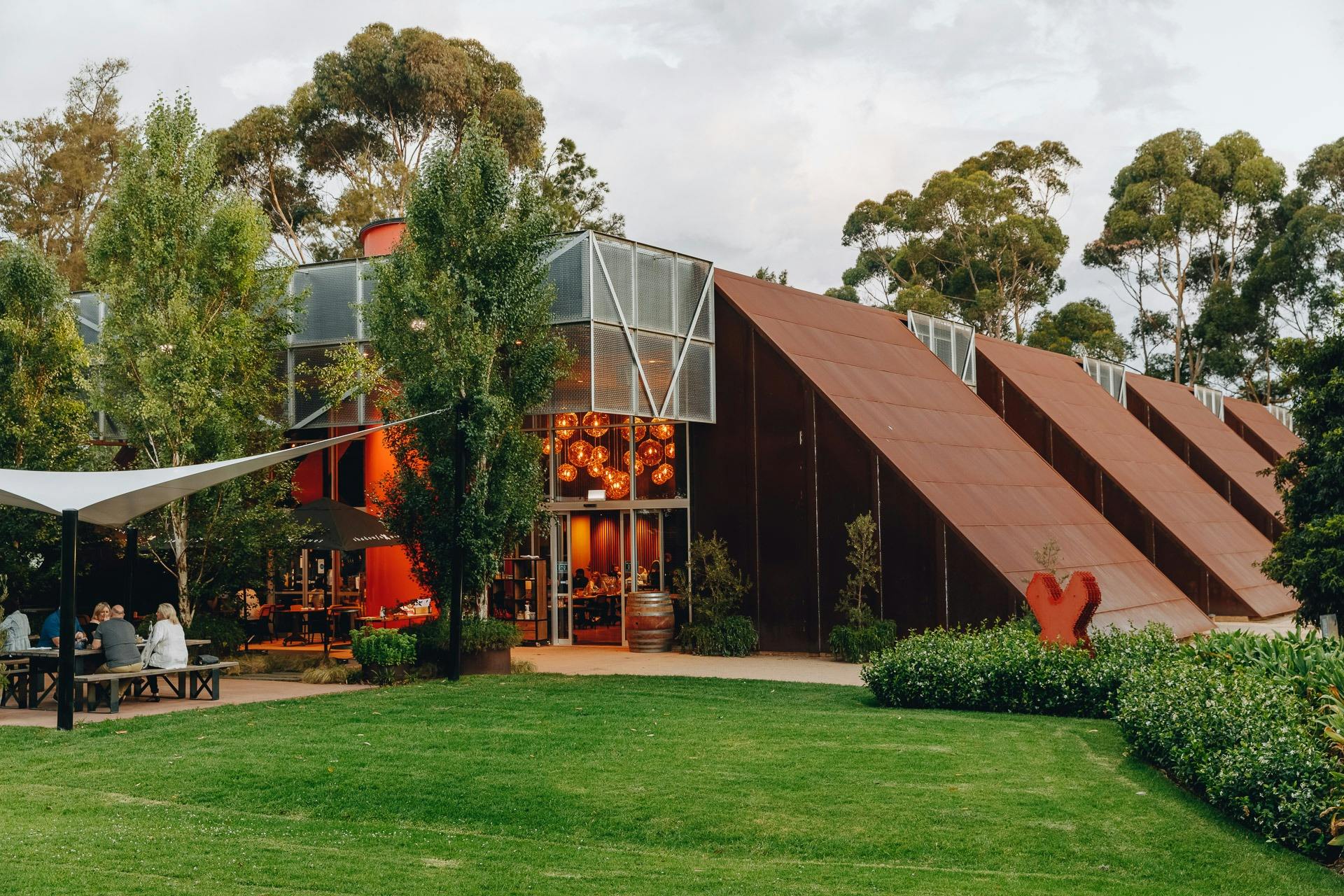
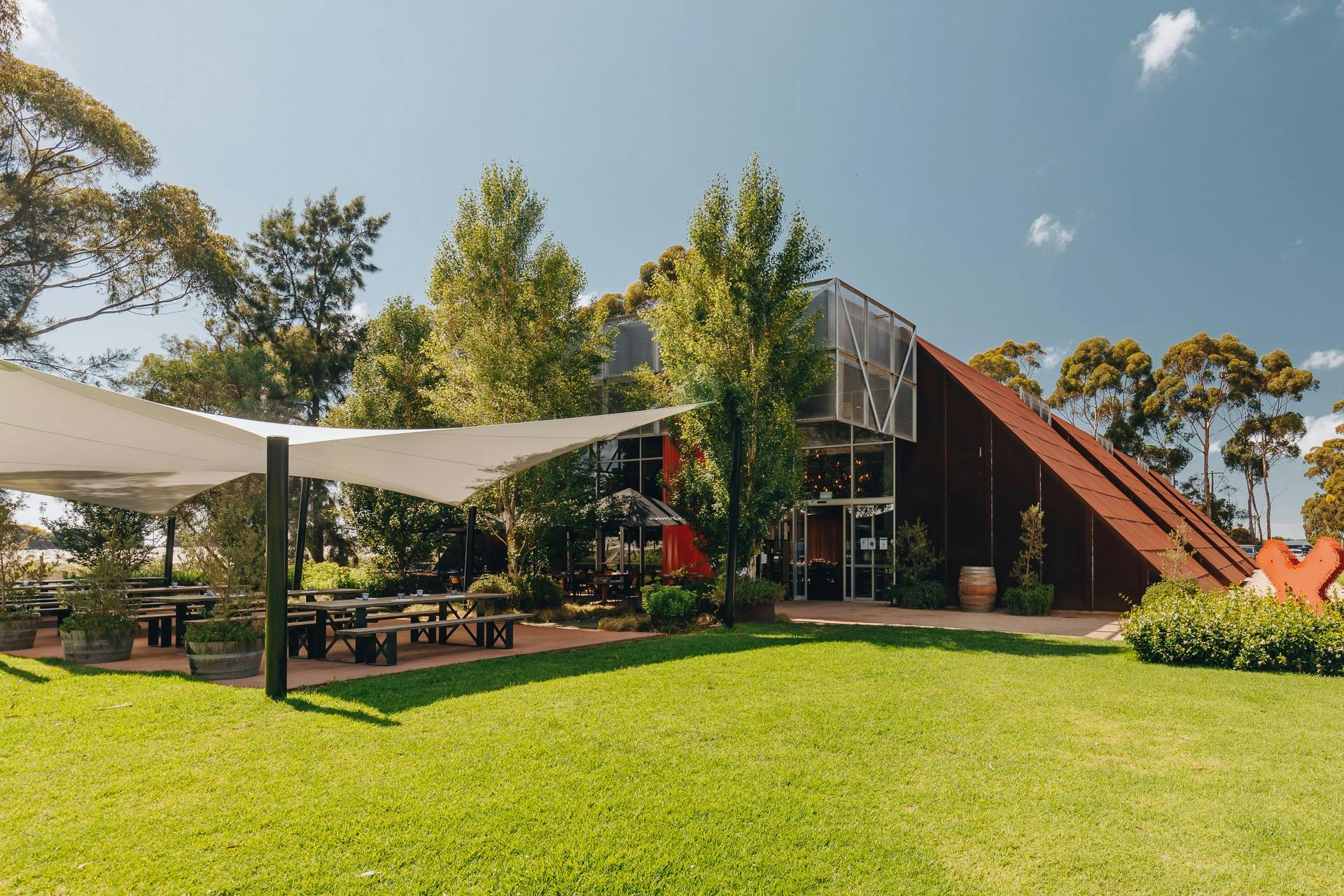
Established in 2000 and situated just 30 kilometres from Melbourne in the heart of Werribee Park, Shadowfax is one of Victoria’s leading boutique wineries. With a strong focus on regionality, Shadowfax has established an enviable reputation for its range of premium wines.
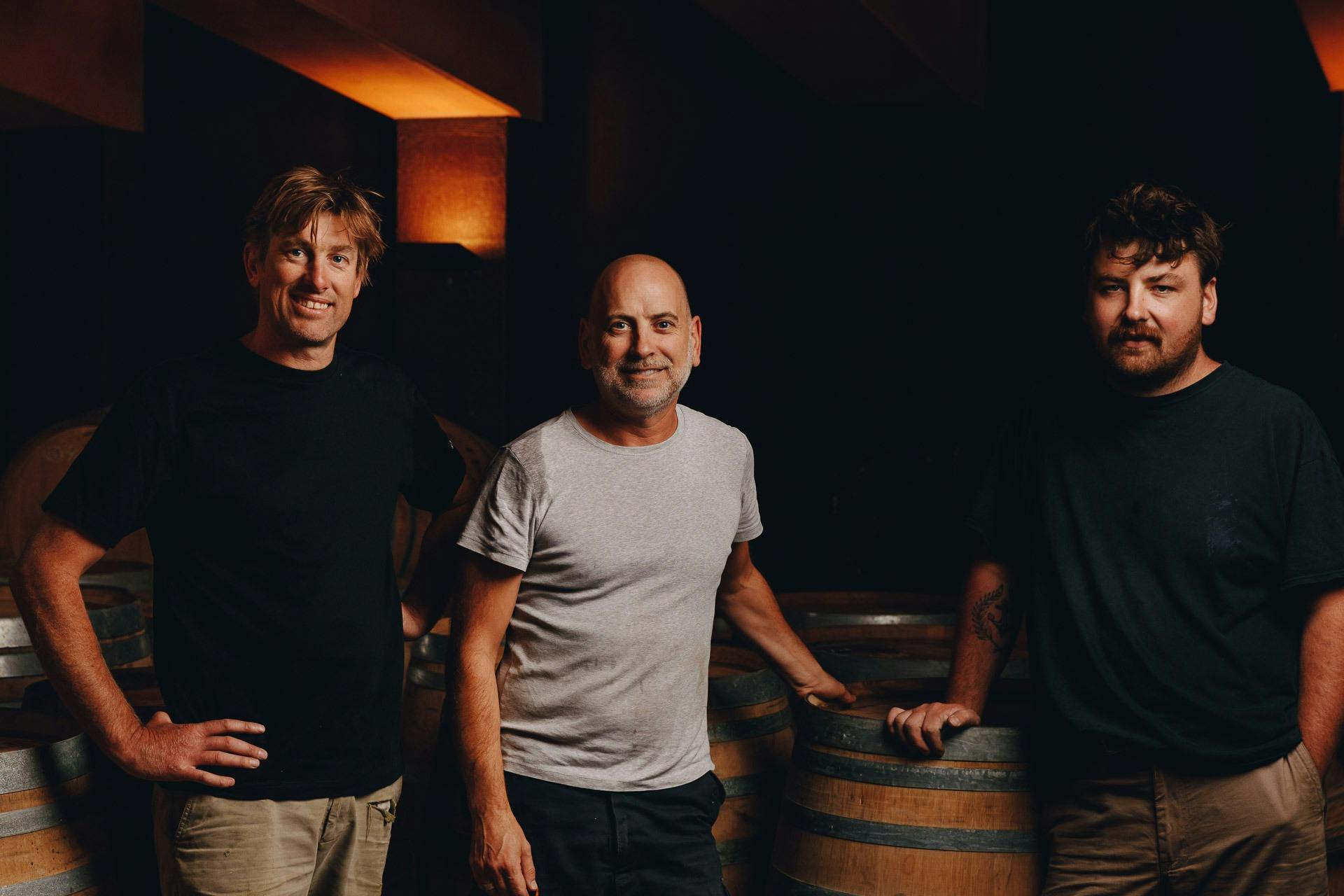
Dedicated to creating high-quality, handcrafted wines, Shadowfax produces Chardonnay, Pinot Gris and Pinot Noir from its high-altitude Little Hampton vineyard in the Macedon Ranges as well as a range of Minnow wines from its Werribee vineyard.
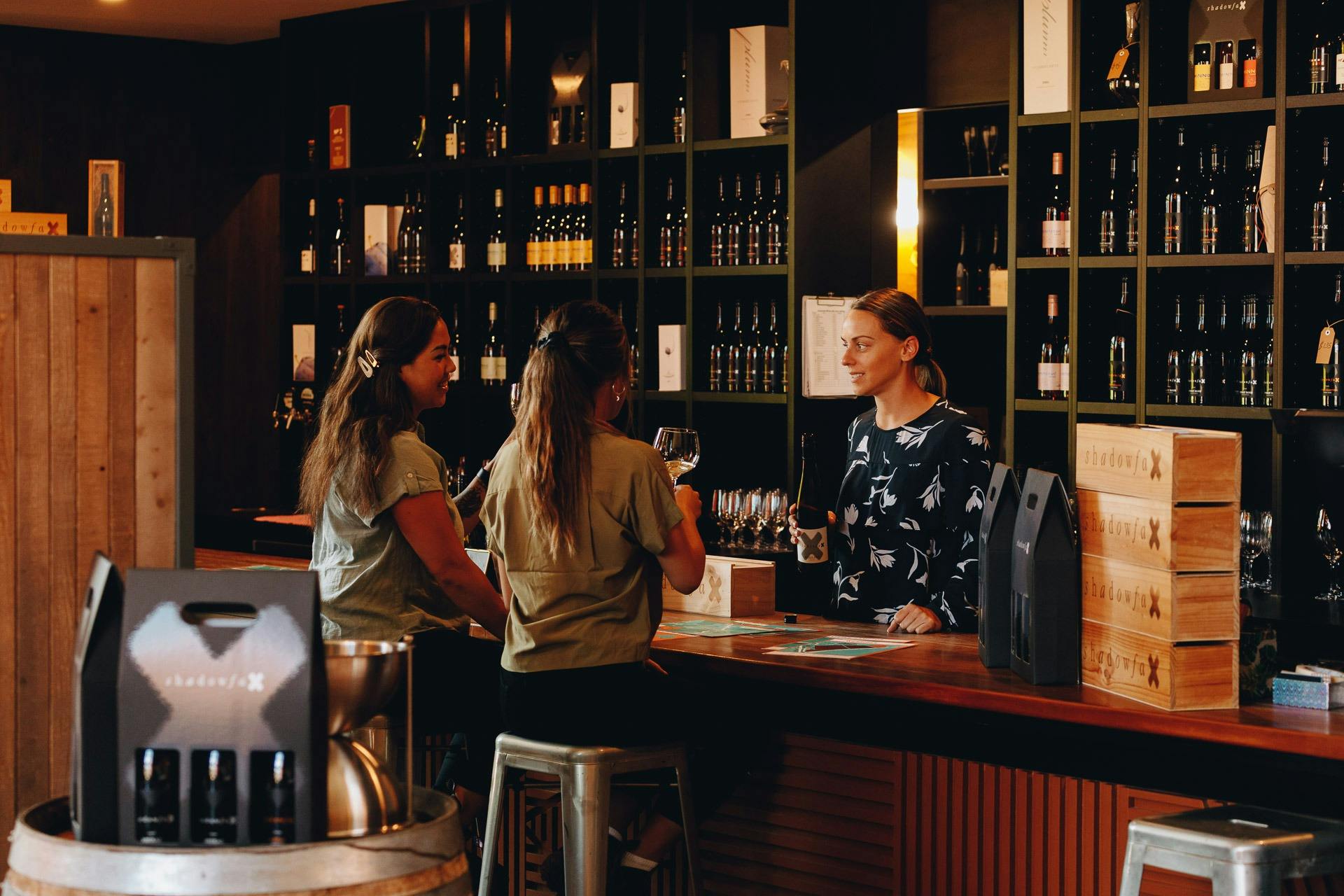
Shadowfax invites you to taste and purchase the range of wines on offer at the cellar door. The friendly team will provide an informative overview and offer advice on the best food to serve with each wine.
You can stay for lunch and enjoy the Mediterranean-inspired menu served in the restaurant. The delicious antipasto and cheese plates, the wood-fired pizzas and the desserts perfectly complement Shadowfax’s wines.
Every weekend, the cellar door comes alive with live music from the winery’s favourite bands.
Images and Video





Accreditations
- Restaurant and Catering Australia
- VIC – Tourism Greater Geelong & the Bellarine
Features
Tags
Actively welcomes people with access needs.
General access

- Offers multiple options for booking – web, email, phone is available.
- Offers a range of contact methods for receiving complaints.
- Staff are trained in disability awareness.
- Asks all visitors if there are any specific needs to be met.
- Website meets <a href="https://www.w3.org/WAI/standards-guidelines/wcag/" target="_blank">WCAG 2.0</a> accessibility standards
- Advise tour guides of the access needs of guests at the time of booking (includes pick up and drop off requirements)
- Assistance with booking arrangements (includes providing clear itineraries with written instructions on what to do at various destinations)
Communication

Welcomes and assists people who have challenges with learning, communication, understanding and behaviour. (includes people with autism, intellectual disability, Down syndrome, acquired brain injury (ABI), dyslexia and dementia)
- Staff are trained in communicating with people with learning or behavioural challenges.
Vision

Caters for people who are blind or have vision loss.
- Uses easy to read fonts in their signage and communication materials (Helvetica and Arial).
- An appropriate area for toileting an assistance dog is available.
- Exit signs which are visible at a ground level (high level signs are difficult to see in a fire) are available.
Physical – Mobility

Caters for people with sufficient mobility to climb a few steps but who would benefit from fixtures to aid balance. (This includes people using walking frames and mobility aids)
Physical – Wheelchair

Caters for people who use a wheelchair.
- Step free outdoor pathways (includes picnic areas, barbecues and shelters)
- At least one wheelchair accessible parking space with wheelchair accessible signage clearly displayed (International standards are 3200mm wide x 2500 mm high).
- Wheelchair accessible transport options available in the general vicinity (provide information on name of the operator, phone and website link to individual providers for private vehicles, community transport train, mini vans, hire cars, buses, taxis, ferry, tram, light rail etc in their access statement).
Physical – High support needs

Caters for people with high support needs who travel with a support person.
Allergies and intolerances

Caters for people with allergies and intolerances.
- Modify their cooking and cleaning practices to cater for people with food allergies or chemical intolerances (could include menus with meals free from: nuts, dairy, seafood, eggs, gluten etc).
- Staff are trained to respond to allergic reactions.
- Complies with The Food Authority requirements for allergy management in food preparation.
- Equipment to respond to anaphylactic shock such as epi–pens and defibrillator.
Plan more around this area
 Williamstown, VIC
 MainStay Suites Williamstown
The postcard-perfect location of Aligned Corporate Residences provides stunning vistas of Melbourne’s city skyline and is right on the doorstep to Williamstown’s relaxed bayside lifestyle

 Indented Head, VIC
 Starhaven Retreat
Starhaven Retreat is the premier luxury accommodation on the Bellarine Peninsula. This internationally acclaimed home on Indented Head Beach at Portarlington
 Caroline Springs, VIC
 Mercure Melbourne Caroline Springs
Mercure Melbourne Caroline Springs located in WestWaters Hotel & Entertainment Complex is an all in one location and perfect for business, leisure, recreation and entertainment.
 Bellarine, VIC
 Coastal Glamp
Coastal Glamp, launched in November 2022, resides on the property of Bellarine Estate, behind the Cellar Door, surrounded by vines. The beautiful space can accomodate
 Braybrook, VIC
Discovery Parks – Melbourne
There is nothing quite like Melbourne – an unbeatable mix of sport, food, fashion, culture and great coffee.
 Werribee, VIC
 In Conversation: Hayley Millar Baker and Sophie Gerhard
Join us for a relaxed, in-depth conversation with internationally acclaimed Wyndham-based artist Hayley Millar Baker (Gunditjmara and Djabwurrung) and Sophie Gerhard, Curator, Australian and First
 Werribee, VIC
 The Green Room Project Showcase
Introducing an exciting new initiative that takes emerging playwrights to the next level. In this stage, selected writers are supported by dramaturgs and directors to
 Werribee, VIC
 Arterial – Na Djinang Circus Werribee
An invigorating and moving performance that celebrates what it means to be First People—the lifeblood of this country. A moving acrobatic performance linking people, country
 Werribee, VIC
 Wurrtoo
Melbourne Chamber Orchestra's children's show Wurrtoo: The Wombat Who Fell in Love with the Sky brings together classical music and storytelling through a uniquely Australian
 Werribee, VIC
 The Australian Ballet School Workshops
Explore the world of dance through energetic warm-ups, creative movement exercises, and storytelling inspired by The Australian Ballet. Learn about the body, discover new ways
 Werribee, VIC
 Whalebone
Step into the magical world of the 'Depository', a mysterious agency that safeguards human memories. As a rogue AI threatens to erase our treasured stories,
