Talisker Mine Ruins
Highlights
- Explore the Talisker Mine ruins to uncover mid-nineteenth century Cornish mining techniques and South Australia's rich heritage.
- Wander the interpretive trail through bushland, enjoying an hour-long walk surrounded by stunning natural scenery.
- Discover the historical significance of the largest silver and lead mine, showcasing the region's industrial past.
- Visit the Fleurieu Coast Visitor Centre for maps that guide your adventure through this fascinating historical site.
Talisker Mine was once the largest silver and lead mine in South Australia.
The Talisker Mining Company began working July 1862. After the arrival of a shipload of Cornish Miners from Glenelg, six distinct lodes were located. Within one month, ore was dispatched to England for assaying and a start made with opening up the mine and building the nearby township of Silverton.
The silver and lead was shipped from nearby Fishery Bay, where it was carried to the lighters moored in chest deep water for ferrying to the large ships. 36,000 bags of ore, weighing 1,600 tons, and 890 tons of ingots were carried in this way.
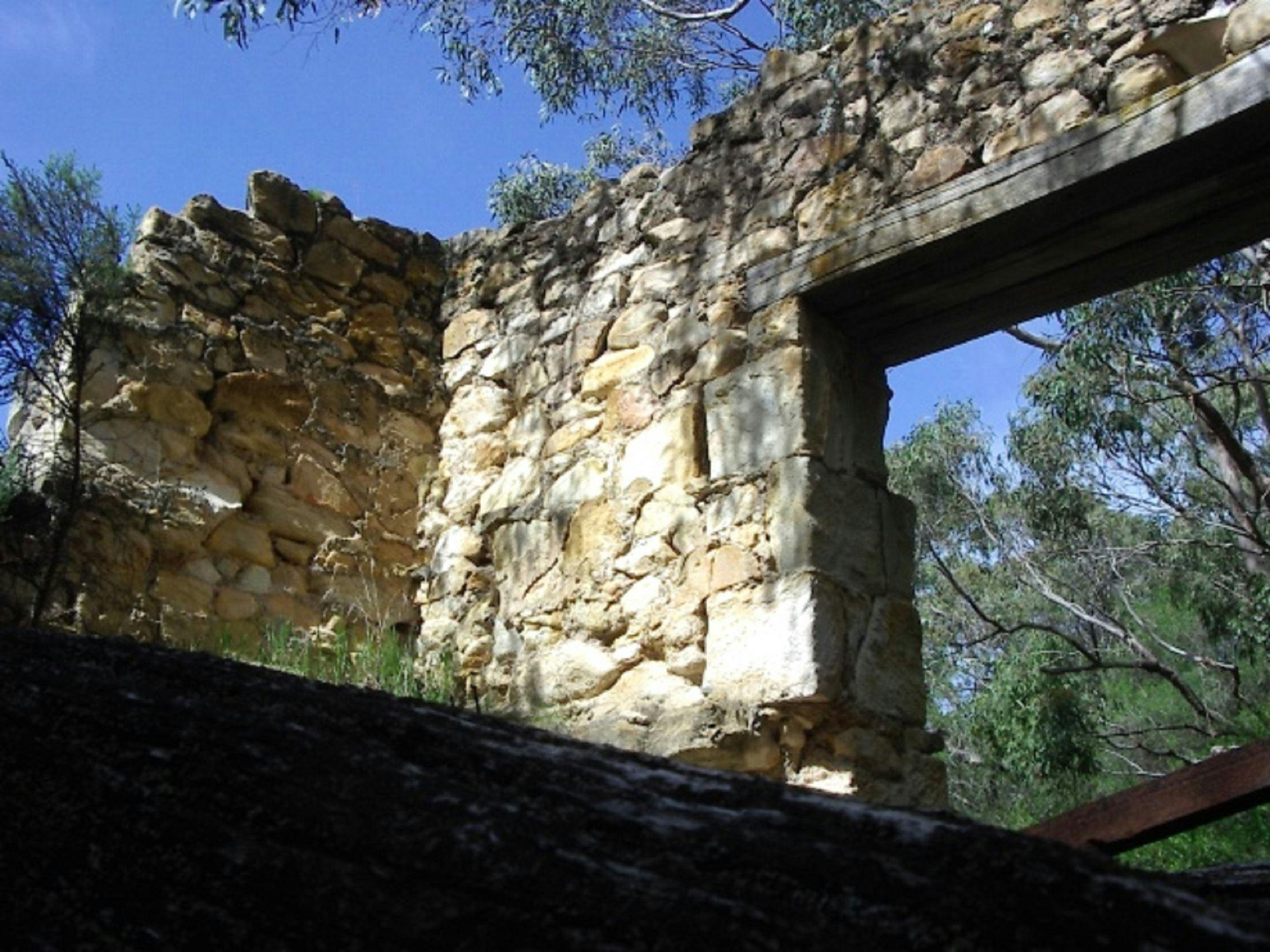
The mine ruins illustrate typical mid-nineteenth century Cornish mining and ore processing techniques and are an important remnant of South Australia’s heritage. The mine is located within Talisker Conservation Park and is listed on the Register of State Heritage Items.
Today an interpretive trail through the mine ruins and bushland has been created. The walk takes about an hour for able walkers. Maps are available from the Fleurieu Coast Visitor Centre.
Images and Video
Features
Tags
This business does not currently offer accessible facilities.
Plan more around this area
 Cape Jervis, SA
Cape Jervis Holiday Units
Five two bedroom holiday units situated 800 meters from the ferry terminal for Kangaroo Island departures.
 Delamere, SA
 Yoho House
Yoho House is a luxuriously renovated farm house surrounded by spring fed creeks at Delamere; an hour and half from Adelaide along the Fleurieu Peninsula.
 Deep Creek, SA
Southern Ocean Retreats – Ridgetop Retreats
The Ridgetop Retreats continue to set the benchmark in design excellence for nature based holiday accommodation.


 Deep Creek, SA
Southern Ocean Retreats – Glenburn Cottage
Southern Ocean Retreats – Glenburn Cottage is a centrally located cottage which has long been a family favourite.
 Deep Creek, SA
 Deep Creek National Park Campgrounds
Deep Creek Conservation Park is the largest portion of remaining natural vegetation on the Fleurieu Peninsula.
 Deep Creek, SA
Southern Ocean Retreats – Deep Creek Homestead
The hustle and bustle of everyday life is very easy to forget in this most alluring of settings. Southern Ocean Retreat – Deep Creek Homestead
 Penneshaw, SA
 Fat Beagle Coffee Shop
Fat Beagle Coffee Shop is a family-friendly and pet-friendly cafe in the heart of Penneshaw, offering a good vibes, great coffee and casual dining.
 Penneshaw, SA
 Millie Mae's Pantry
Millie Mae's Pantry has been created to celebrate the wonderful food and beverages of Kangaroo Island. Serving delicious breakfast and lunch daily.
 Penneshaw, SA
 The Kiosk Penneshaw
Welcome to “The Kiosk” in Penneshaw – a white-washed, laidback, coastal-friendly take on informal dining with great coffee and delicious food.
 Penneshaw, SA
 Penneshaw Pub
The Penneshaw Hotel on Kangaroo Island has commanding and uninterrupted views over Backstairs Passage with absolute water frontage from a cliff-top.
 Normanville, SA
 Aqua Blue Normanville Beach Restaurant
The Aqua Blue restaurant is conveniently located on the beach, with a stunning view of the Normanville jetty and the ocean.
 Normanville, SA
 31 Jetty
31 Jetty coffee venue is a short distance from the beautiful Normanville beach in South Australia.
