The Art of Gold – Treasures from the National Gallery of Australia
Highlights
- Explore twelve exquisite gold jewellery pieces reflecting mid-19th century goldrush craftsmanship at the National Gallery of Australia.
- Admire the intricate designs of earrings, brooches, and lockets that showcase colonial pride from Maryborough's rich history.
- Discover contemporary artistry with Rowena Gough's unique necklace and rings, celebrating local talent in goldsmithing.
- Engage with changing exhibitions and public programs that delve into the multifaceted stories of gold's significance.
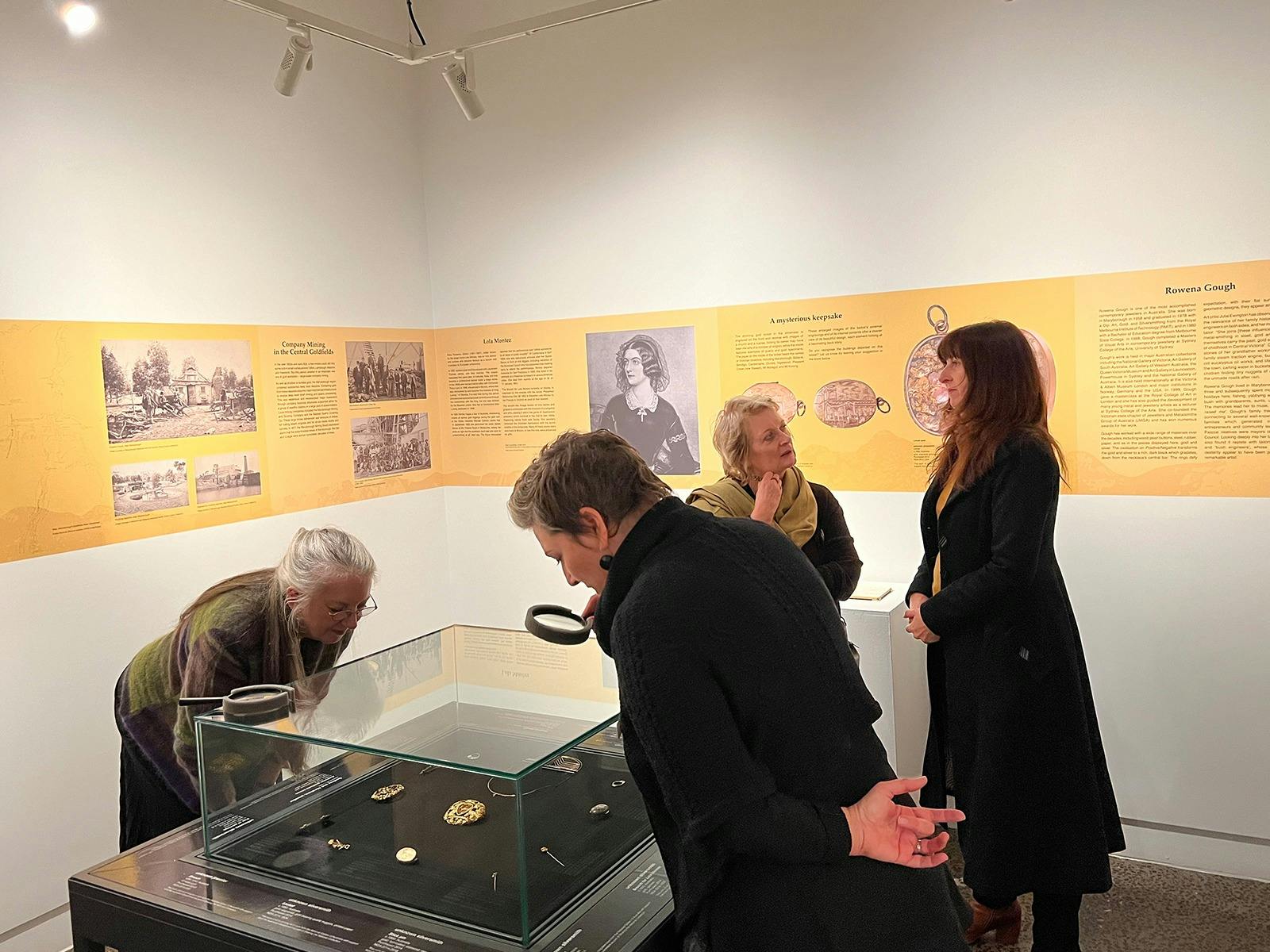
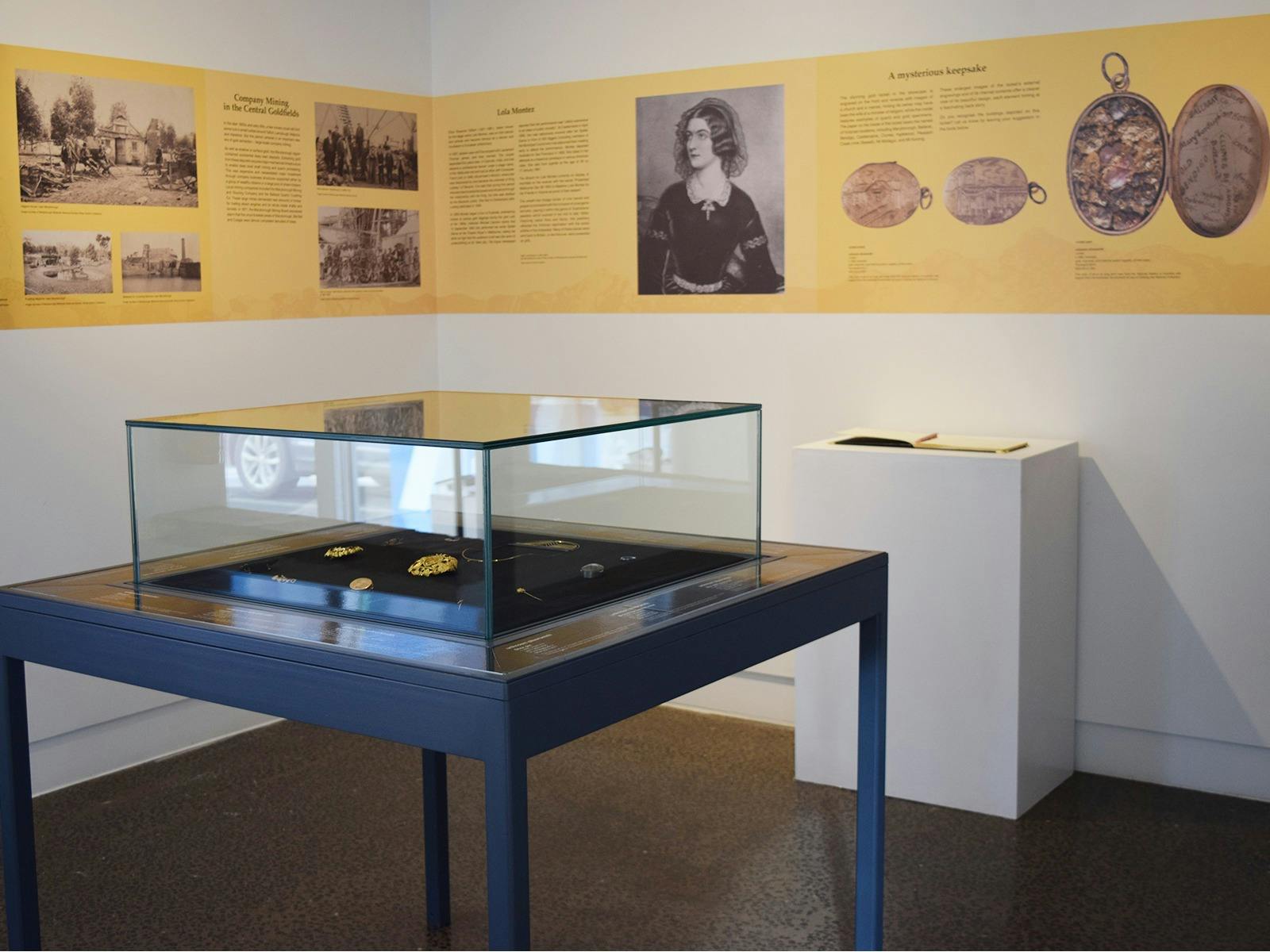
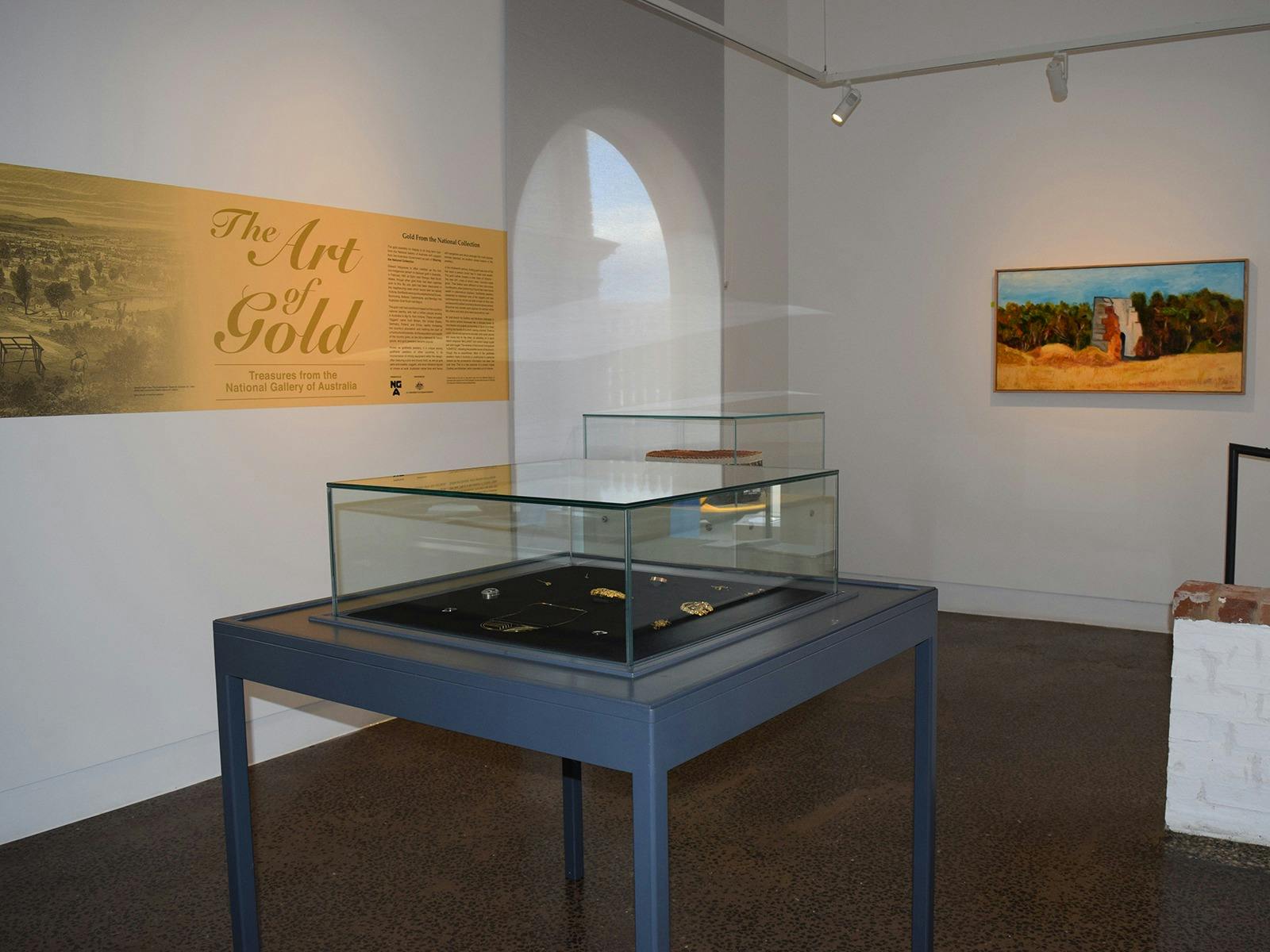
The 12 gold jewellery items on display are on long-term loan from the National Gallery of Australia with support from the Australian Government as part of Sharing the National Collection.
The provenance of the twelve golden treasures on display relate to Maryborough and surrounds. Nine of the artworks date from the mid-19th century goldrush in Central Victoria and are known as goldfields jewellery. Including earrings, brooches and a locket, these items of jewellery were commissioned by miners, as a mark of their own success and to reflect colonial pride and advancement.
Also on display is a necklace and two rings by Rowena Gough. Gough was born in Maryborough in 1958 and is one of the most accomplished contemporary jewellers in Australia.
A changing exhibition of associated displays and public programs accompanies The Art of Gold providing the opportunity to explore the multiple stories of gold from a variety of perspectives.
These works of art are on long-term loan from the National Gallery of Australia with support from the Australian Government as part of Sharing the National Collection.
Images and Video
Dates & times
- Next occurrence: reoccurring
Accreditations
- Australian Museums and Galleries Association
Features
Actively welcomes people with access needs.
General access

- Companion Cards are accepted.
- Website meets <a href="https://www.w3.org/WAI/standards-guidelines/wcag/" target="_blank">WCAG 2.0</a> accessibility standards
Vision

Caters for people who are blind or have vision loss.
- Information in large print is available.
- Uses easy to read fonts in their signage and communication materials (Helvetica and Arial).
Physical – Mobility

Caters for people with sufficient mobility to climb a few steps but who would benefit from fixtures to aid balance. (This includes people using walking frames and mobility aids)
- Uses floors/coverings which are slip resistant, firm and smooth
- Uses non-slip tiles in the bathroom or slip resistant matting
- Grab rails in the bathroom
Physical – Wheelchair

Caters for people who use a wheelchair.
- A step free main entrance to the building and/or reception area (includes ramps or slopes with a maximum gradient of 1:14, otherwise are too steep for wheelchairs)
- Step free access to the conference or function room
- Doorways which are easy to open and have lever handles (doorways 850mm or wider when open and not heavy).
- An accessible public toilet which is unlocked.
- A wheelchair accessible toilet / shower and change room is available.
- At least one wheelchair accessible parking space with wheelchair accessible signage clearly displayed (International standards are 3200mm wide x 2500 mm high).
Plan more around this area
 Maryborough, VIC
 Golden Country Motel and Caravan Park
GOLDEN COUNTRY MOTEL AND CARAVAN PARK Golden Country Motel & Caravan Park offers motel units, cabin style accommodation and en-suite powered caravan sites. We are
 Avoca, VIC
 Avoca Cottages
Avoca Cottages offers fully self-contained accommodation in Victoria's historic Pyrenees wine region. One and two bedroom cottages with large kitchen and living areas. These well

 Avoca, VIC
 Avoca Caravan Park
Avoca Caravan Park is conveniently located in the centre of town, just a short stroll to Avoca’s Main Street with its many shops, cafes and
 Maryborough, VIC
 The Station Cafe Restaurant
Located at the iconic Maryborough Railway Station complex, offering a focus on fresh produce, and menu curated by Head Chef. The Station Café Restaurant Bar
 Talbot, VIC
 Fossickers Fine Food and Eatery
Fossickers Fine Food & Eatery is a cafe, wine bar, store and art space located in the tiny heritage town of Talbot in the central
 Lamplough, VIC
 St Ignatius Vineyard
A visit to St Ignatius will warm your soul. With a heritage expanding over three continents, including Italy and Argentina, St Ignatius is the house
