Virginia Town site 1869 Survey Markers
Highlights
- Explore the original 1869 survey markers, experiencing a tangible link to South Australia's pioneering surveying history.
- Wander through the 92-hectare Virginia Town site, where remnants of Goyder's monumental survey come to life.
- Trace the ironwood pegs and stone trenches, uncovering rare physical evidence of the Northern Territory's early development.
- Enjoy scenic walks amidst the historical landscape, appreciating the significance of this remarkable achievement in Australian history.
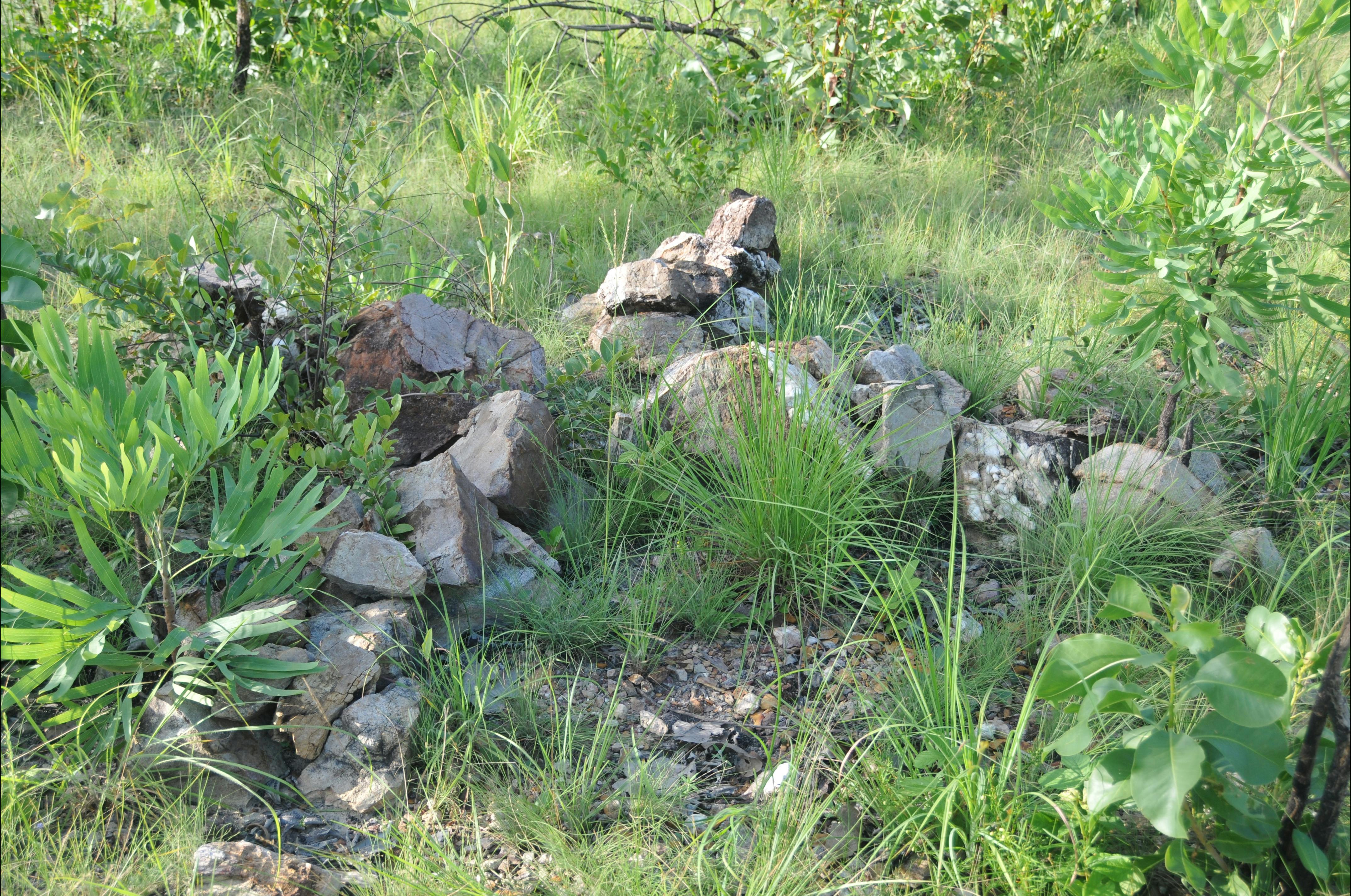
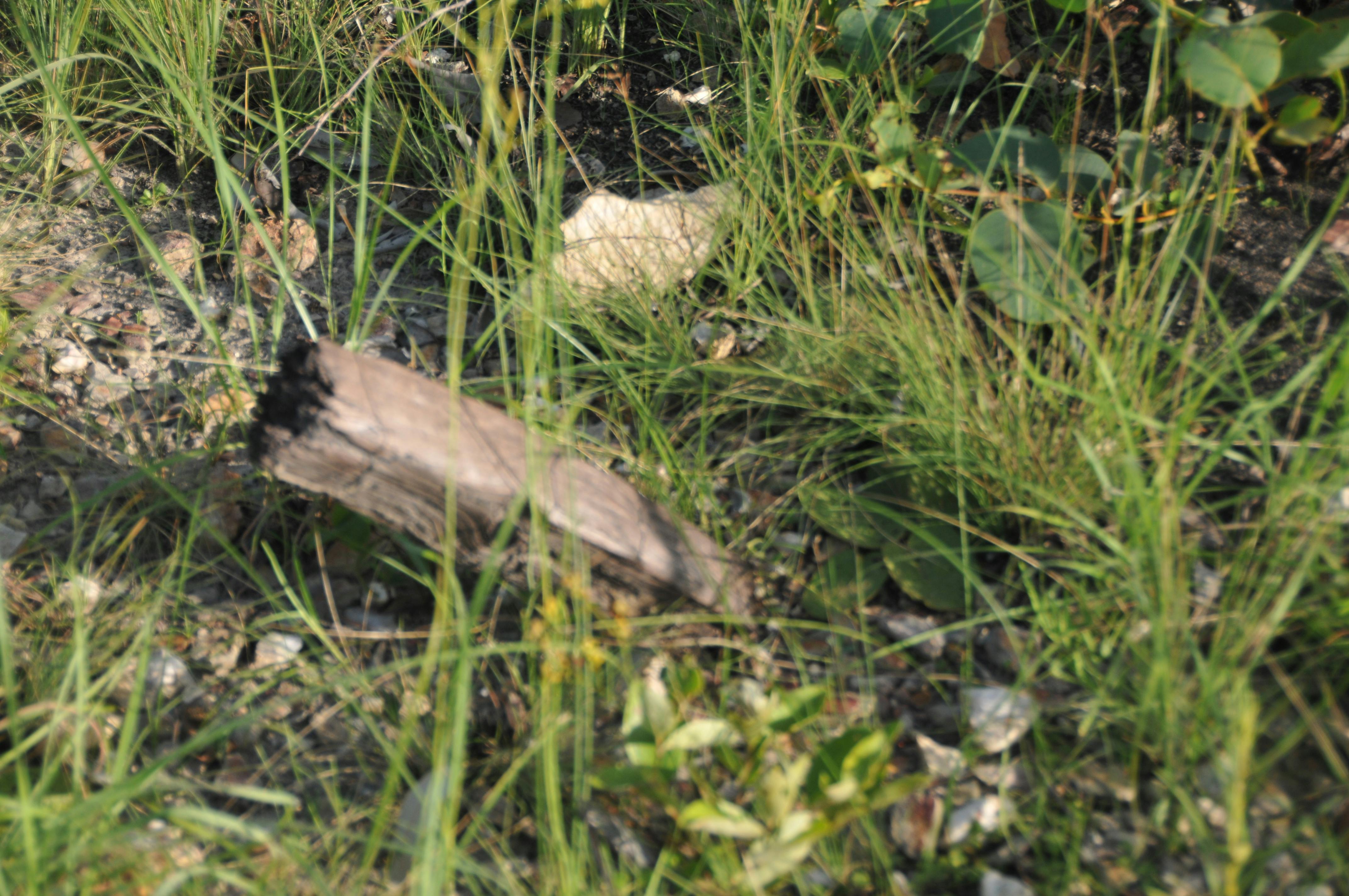
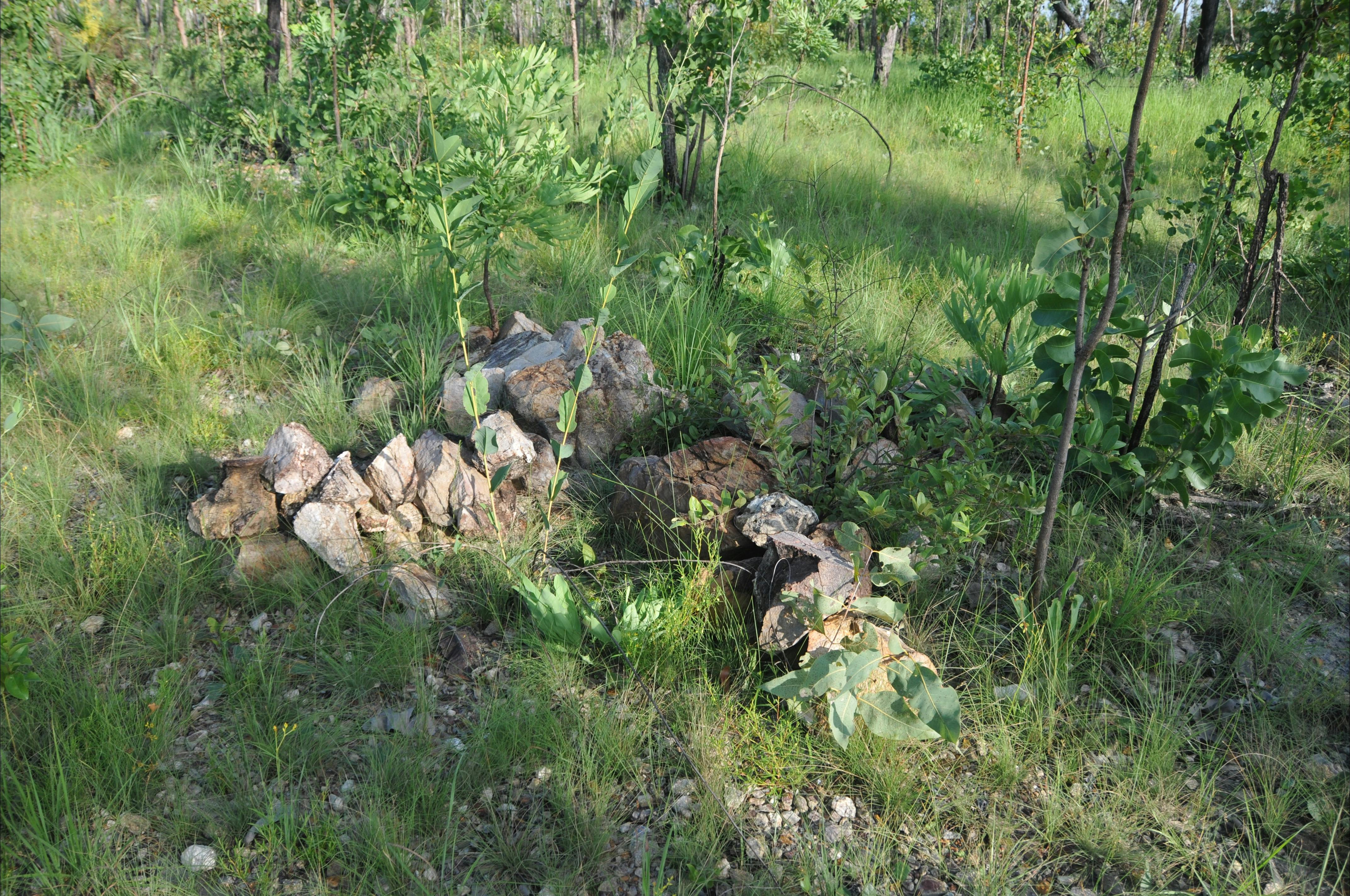
The 1869 survey markers are located within the original Virginia Town site which covers an area of 92 hectares. The survey markers consist of ironwood pegs and man-made stone trenches.
The stone survey trenches and ironwood survey pegs located within the Townsite of Virginia are significant to the Territory as they are possibly the only remaining physical evidence of George Woodroffe Goyder’s 1869 survey of Port Darwin and its environs. Goyder, who at the time was South Australia’s Surveyor General, and his survey team had surveyed 270,000 hectares in eight months from Port Darwin, to the east and south of Adelaide River, and west beyond the Finniss River.
The survey also included four townsites of Palmerston (now Darwin) Southport, Virginia and Daly. This survey was a remarkable achievement for its time. It defined the capital of South Australia’s new northern province of the Northern Territory and laid the foundation for the modern city of Darwin. Due to disturbance by natural environmental conditions, fire and an expansion of settlement throughout Australia original survey markers are exceedingly hard to locate and now considered rare.
Images and Video
Features
Activities
Actively welcomes people with access needs.
Physical – Mobility

Caters for people with sufficient mobility to climb a few steps but who would benefit from fixtures to aid balance. (This includes people using walking frames and mobility aids)
Plan more around this area
 Darwin, NT
 Railside Campground
This is a hosted stay through Hipcamp, below is the information provided by the Host regarding their offering. Secure parking for caravans/RV's on 2.5…

 Darwin, NT
 Holtze Corner Camp
This is a hosted stay through Hipcamp, below is the information provided by the Host regarding their offering. Welcome to "Wallaby Corner Camp" –…
 Holtze, NT
 Camp Wallaby
Our 10 acres is part of a larger family property bought in the early 1960s.
 Girraween, NT
 Mango Road Campsite
This is a hosted stay through Hipcamp, below is the information provided by the Host regarding their offering. Purchased this former Mango farm to…
 Holtze, NT
Aspen Holidays Darwin FreeSpirit
Escape to the sprawling tropical gardens after a day soaking up the excitement of Darwin and let the kids run free while you relax poolside.
 Noonamah, NT
 Noonamah Tourist Park
Noonamah Tourist Park is a caravan park situated in a lovely rural setting behind the Noonamah Tavern.
 Darwin City, NT
 Chow
A taste of South East Asia with a focus on fresh, local produce. Think big steaming bowls of pho & laska's, Vietnamese cuisine and more!
 Darwin City, NT
Wharf One Food and Wine
Wharf One Food and Wine offers guests a fun and casual dining experience, specialising in wood grill cooking and seasonal local produce.
 DARWIN CITY, NT
 Pink Chopstix
Modern Chinese restaurant located at the iconic Darwin Waterfront, with unbeatable harbour and lagoon views.
 Darwin City, NT
 The Precinct Tavern
Sit back, relax and enjoy the waterfront breezes as you settle in for a session of modern pub grub and a selection of 46 beers.
 Darwin City, NT
Snapper Rocks Bar and Kitchen
At Snapper Rocks the goal is to deliver you a beautiful, quality restaurant, focused on amazing local and Australian seasonal produce.
 Darwin City, NT
 Salted Egg Darwin
Born from the eclectic and vivid origins of Southeast Asian cuisine, Salted Egg Darwin will transport you to another world. Feel at home where bold
