Bruny Island Honey – Bruny Island
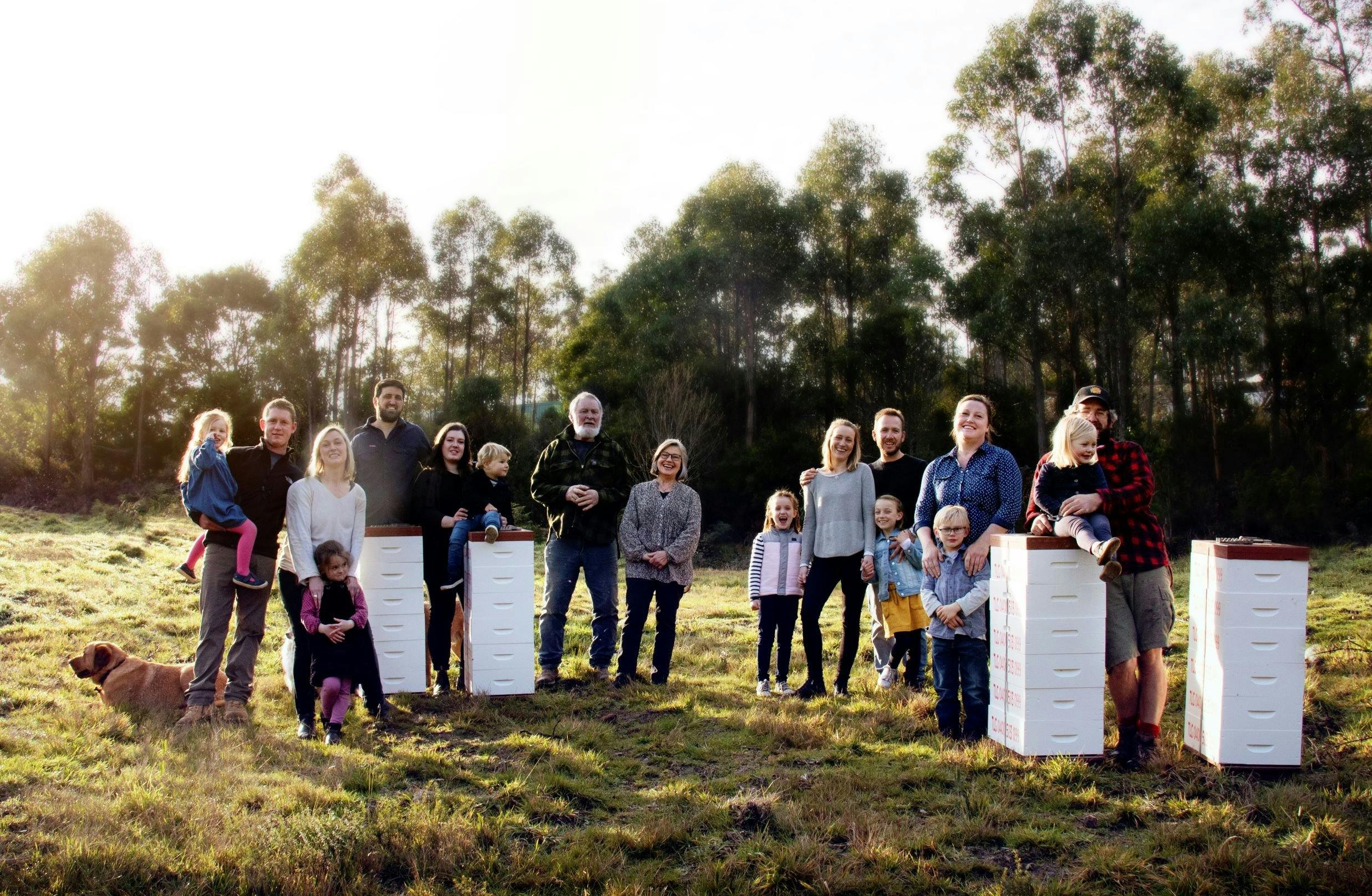
A family owned and operated apiary business. Producing pure, natural Tasmanian honey, sourced from the pristine forests of Bruny Island.
They have been collecting honey from the Island for 20 years, and currently, have approximately 400 hives on the Island.
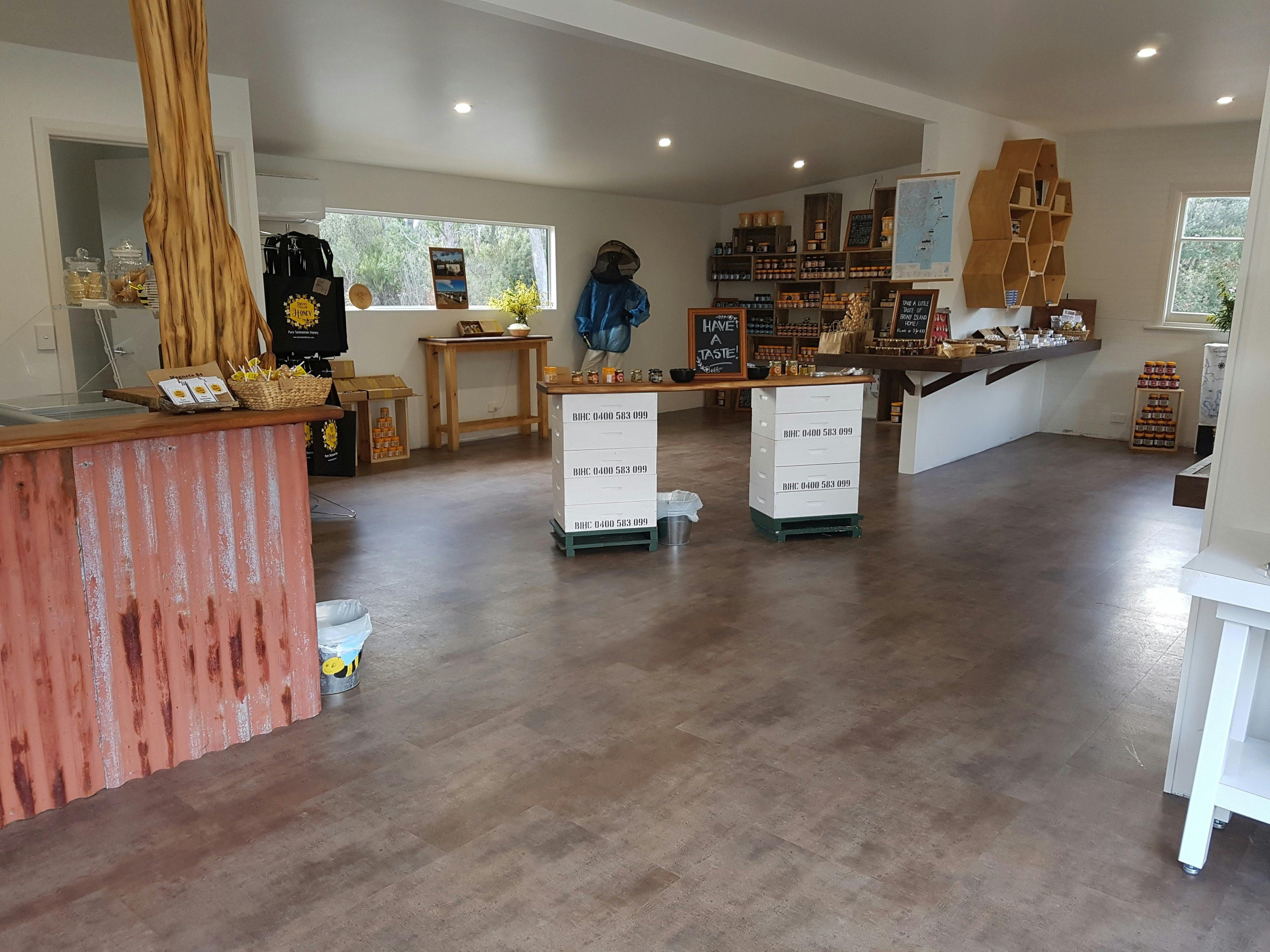
The brand new honey shop is a “hive” of activity! Including a wide variety of local honey, free tastings, Leatherwood honey ice cream, a live hive – to watch the bees at work, local gifts and a Manuka cosmetic range. Providing an educational, interpretive and fun experience for all guests, open seven days.
Images and Video




Accreditations
-
 Quality Tourism Accreditation
-
Sustainable Tourism Accreditation by ATIC
- Tourism Emission Reduction Commitment
- Regional Tourist/Tourism Association/Organisation
Features
Actively welcomes people with access needs.
General access

- Offers multiple options for booking – web, email, phone is available.
- Offers a range of contact methods for receiving complaints.
- Employs people with disabilities.
- Staff are trained in disability awareness.
- Accessibility information and photos, including of a bathroom, room and/or floor plan on their website (can be emailed on request).
- Asks all visitors if there are any specific needs to be met.
- Advise tour guides of the access needs of guests at the time of booking (includes pick up and drop off requirements)
- Assistance with booking arrangements (includes providing clear itineraries with written instructions on what to do at various destinations)
Communication

Welcomes and assists people who have challenges with learning, communication, understanding and behaviour. (includes people with autism, intellectual disability, Down syndrome, acquired brain injury (ABI), dyslexia and dementia)
- Staff are trained in communicating with people with learning or behavioural challenges.
- Uses Plain English / easy read signage and information (includes menus and emergency information)
- A quiet space is available at the venue/ facility.
Physical – Mobility

Caters for people with sufficient mobility to climb a few steps but who would benefit from fixtures to aid balance. (This includes people using walking frames and mobility aids)
- Uses floors/coverings which are slip resistant, firm and smooth
- Uses non-slip tiles in the bathroom or slip resistant matting
- Grab rails in the bathroom
- Seating in common areas including reception area
Physical – Wheelchair

Caters for people who use a wheelchair.
- Step free outdoor pathways (includes picnic areas, barbecues and shelters)
- A step free main entrance to the building and/or reception area (includes ramps or slopes with a maximum gradient of 1:14, otherwise are too steep for wheelchairs)
- An accessible public toilet which is unlocked.
- A wheelchair accessible toilet / shower and change room is available.
- At least one wheelchair accessible parking space with wheelchair accessible signage clearly displayed (International standards are 3200mm wide x 2500 mm high).
Physical – High support needs

Caters for people with high support needs who travel with a support person.
Allergies and intolerances

Caters for people with allergies and intolerances.
- Staff are trained to respond to allergic reactions.
- Complies with The Food Authority requirements for allergy management in food preparation.
- Equipment to respond to anaphylactic shock such as epi–pens and defibrillator.
Plan more around this area
 Adventure Bay, TAS
 Woodleigh – where beach meets bush
This is a hosted stay through Hipcamp, below is the information provided by the Host regarding their offering. Protected and peaceful creek-side camping, directly across
 Alonnah, TAS
 Tassie Hempcrete Houses at Harvey Road
These luxury eco-friendly holiday homes have been built using one of the most environmentally sustainable construction materials in the world.
 Alonnah, TAS
 Sunset Rise
Welcome to Bruny Island's Sunset Rise! Enjoy a coffee while watching the morning sunrise or pop a cork at the end of an adventurous day
 Alonnah, TAS
 Bruny Boathouse
Bruny Boathouse is a thoughtfully restored waterfront stay set right on the edge of the water on Bruny Island.
 Adventure Bay, TAS
 The Joneses
The Joneses is a reimagined, mid century luxury beachfront escape for two and is located on a white, sandy beach overlooking Adventure Bay.
 Bruny Island, TAS
Hotel Bruny
Hotel Bruny offers ensuite motel suites across from the beach at Alonnah on Bruny Island in southern Tasmania.

 Bruny Island, TAS
Bruny Island Beer Co.
Bruny Island Beer Co. started with a conversation between a cheese maker and a brewer.

 Bruny Island, TAS
Bruny Island Cheese Co.
Bruny Island Cheese Co. is an artisan cheese maker in southern Tasmania, founded by Nick Haddow.
 Simpsons Bay, TAS
Spirit of Bruny®
Craft distillery offering a tasting experience and sales in a beautiful location on Bruny Island.
 Flowerpot, TAS
Mewstone Wines
Mewstone Wines is located 35 minutes south of Hobart on the stunning D'Entrecasteaux Channel.
 South Bruny, TAS
 The Izzy Bar
The Izzy Bar expresses how locals live, grow, harvest, ferment, pickle, eat & drink on Bruny Island. Resident artisan bakers cook with fire in the
 Birchs Bay, TAS
 Art Farm Birchs Bay and The Venue at Five Bob Farm
Fleurtys is a farm and café at Birchs Bay, on southern Tasmania’s D’Entrecasteaux Channel.
