Scholz Park Museum
Highlights
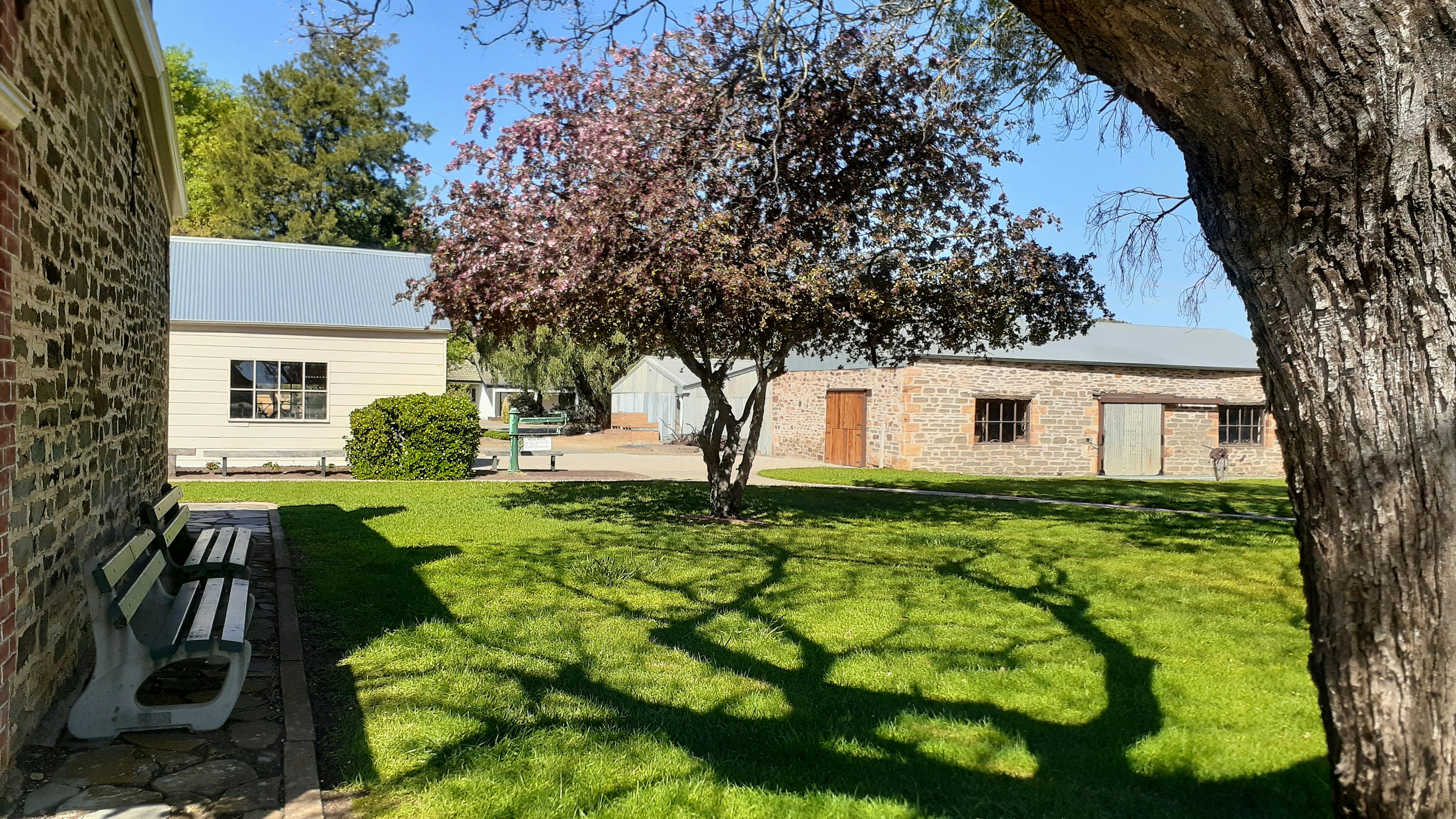
- Explore the heritage-listed Scholz Park Museum, showcasing original buildings and tools from the early 1900s.
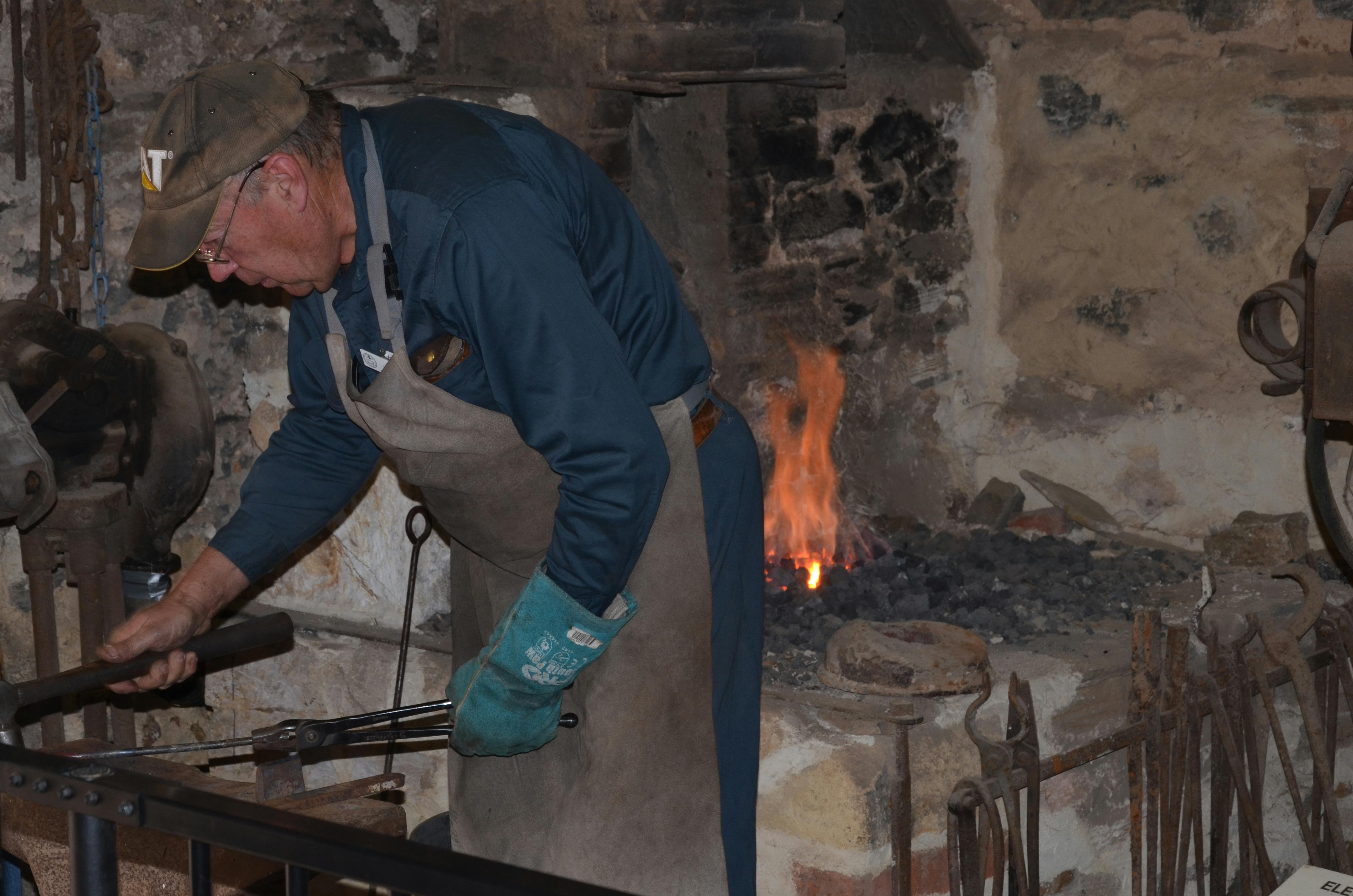
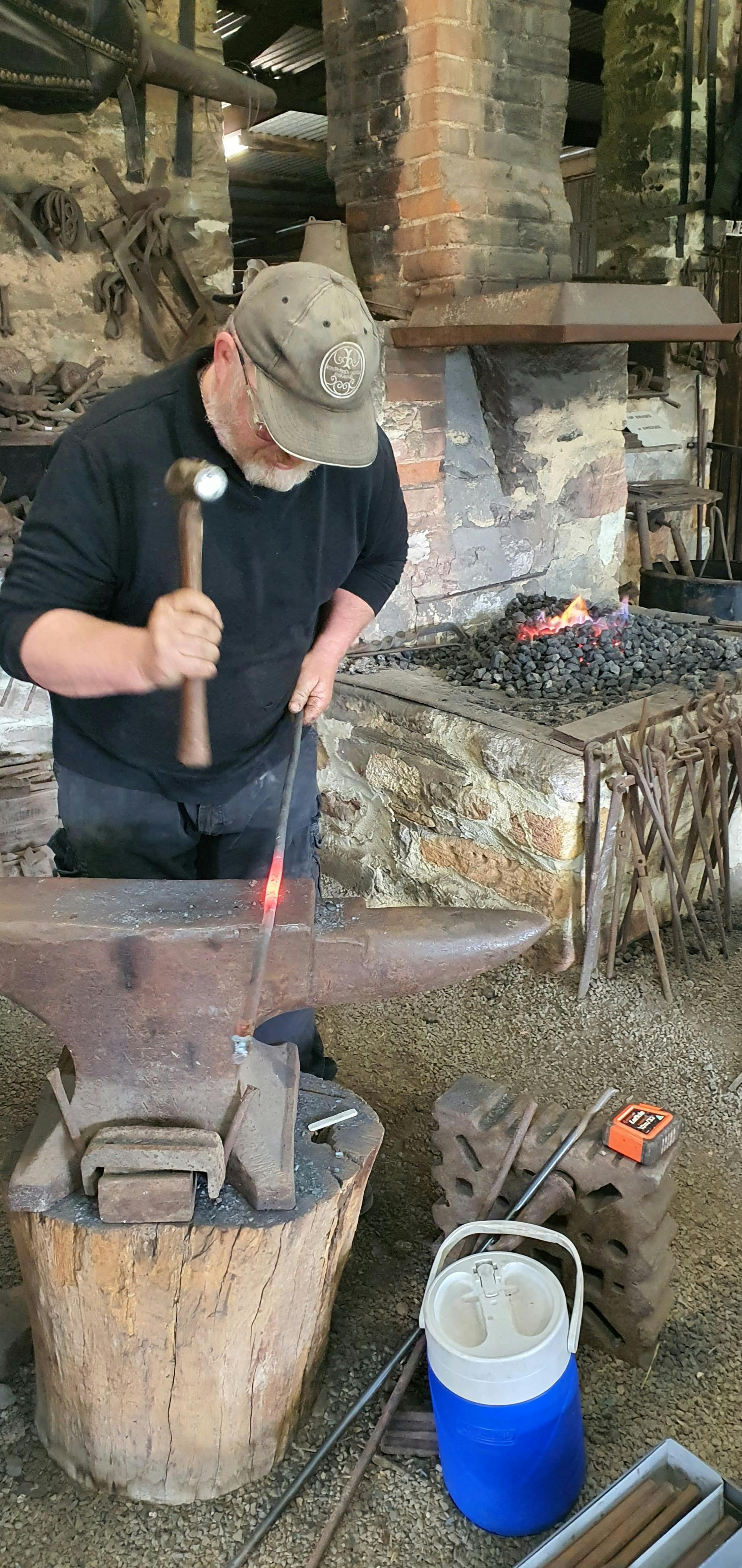
- Experience live demonstrations at the blacksmiths shop, featuring three working forges ignited monthly.
- Wander through the picturesque gardens and picnic areas, perfect for a relaxing family outing.
- Discover the rich history of Riverton, celebrating the Scholz family's contributions to the local community.
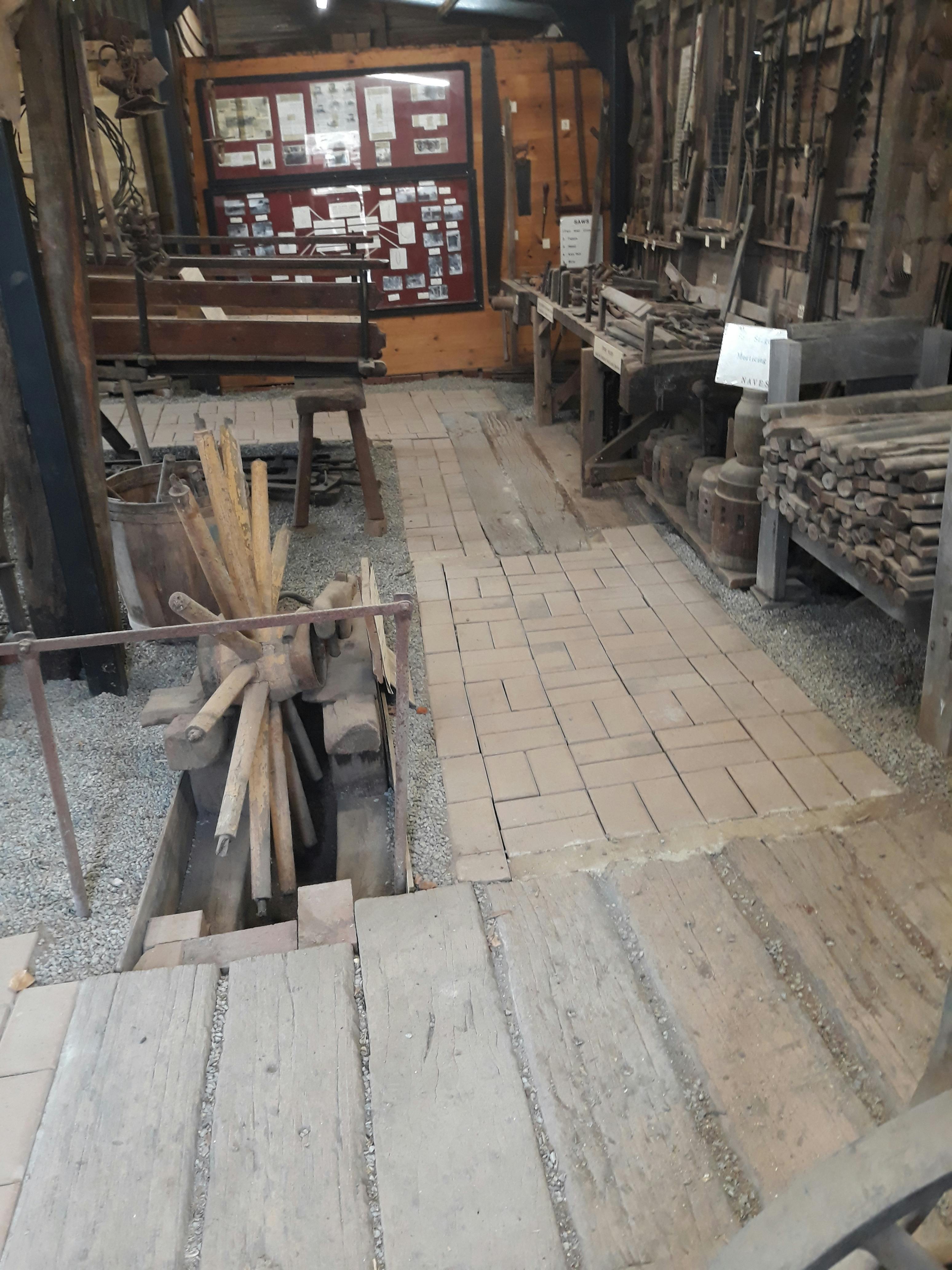
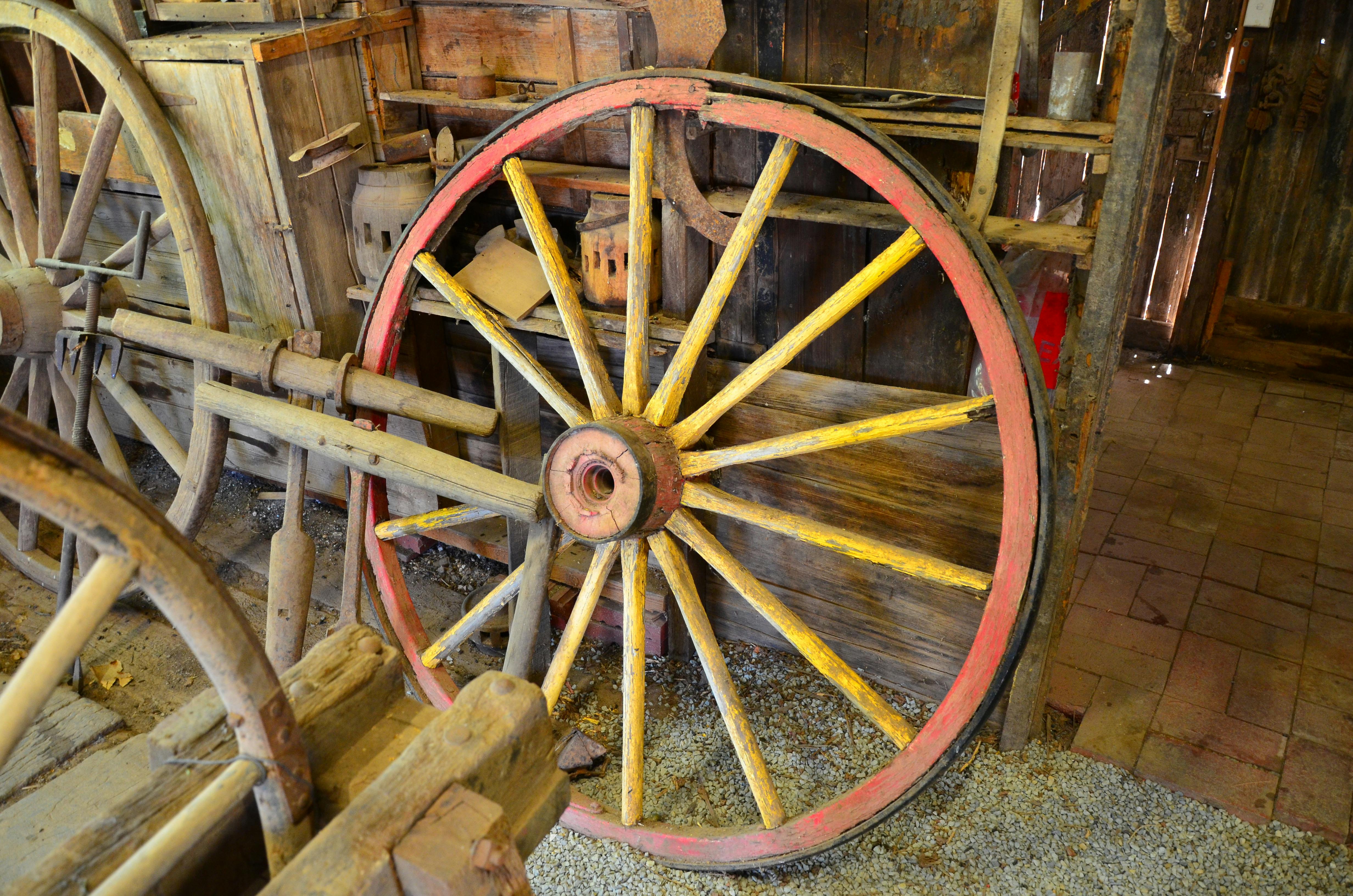
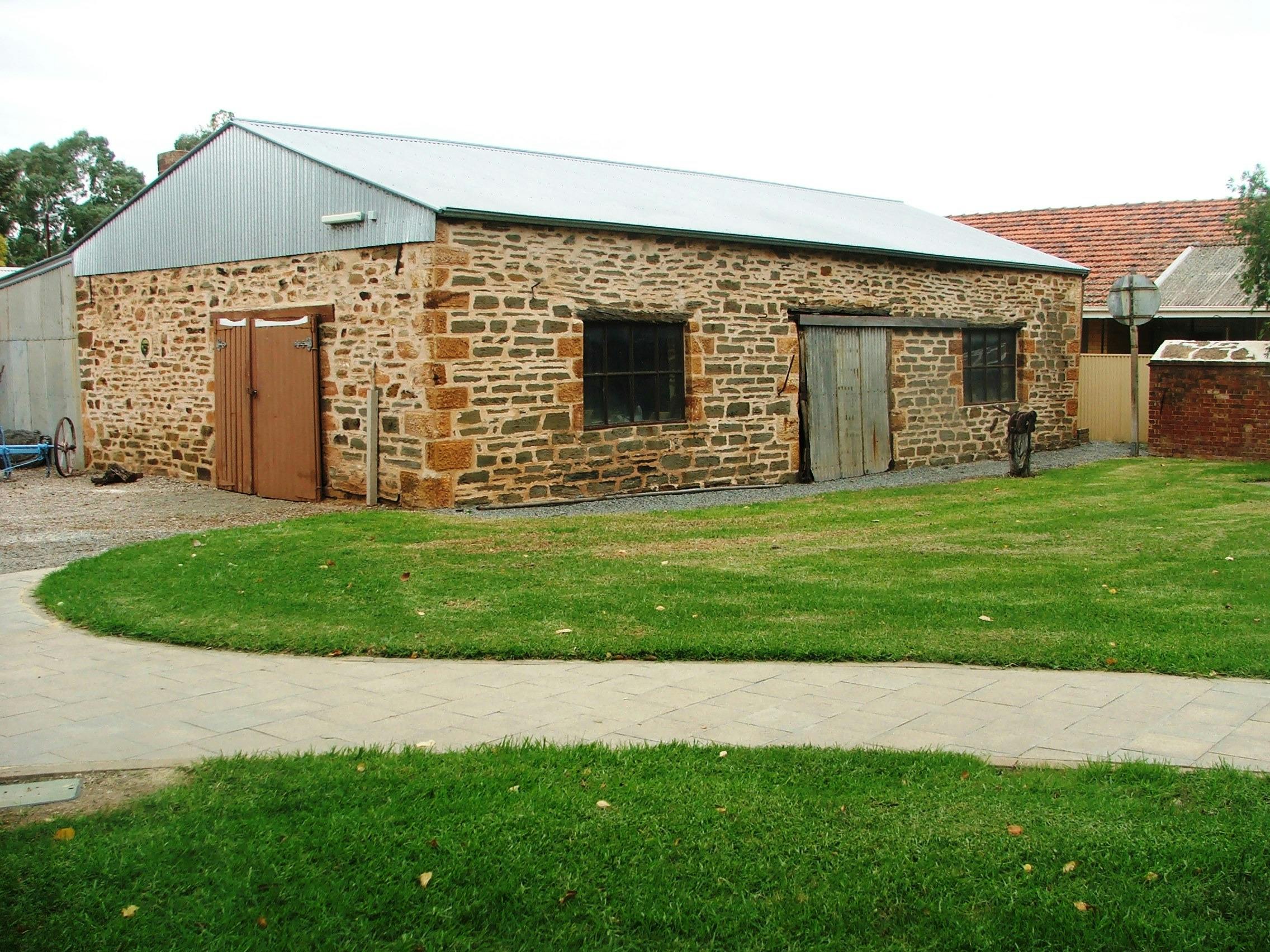
The Scholz Park Museum complex which was built between 1869 and 1872 incorporates a blacksmiths shop, wheelwrights shop and the Scholz family cottage.
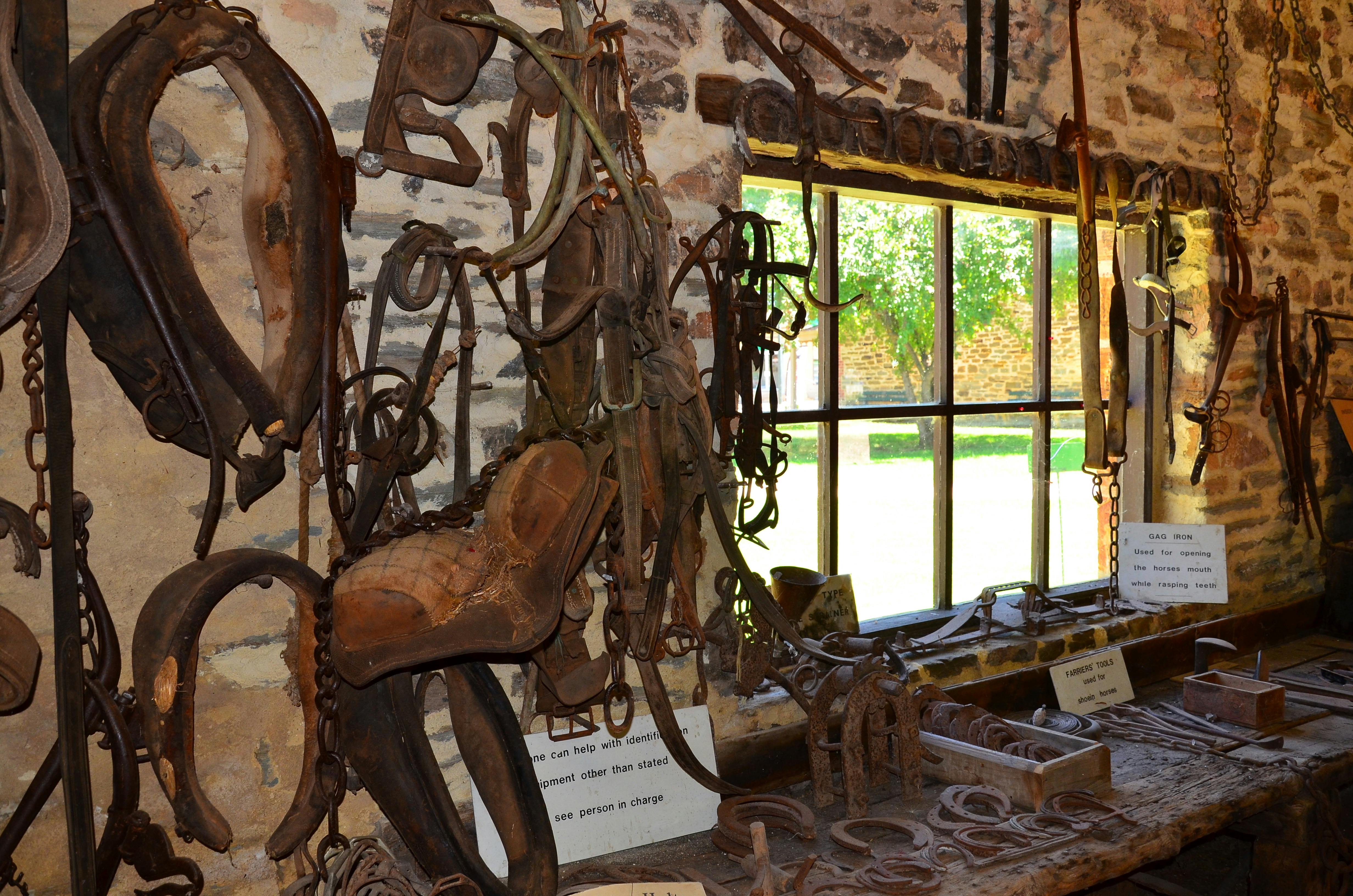
The heritage listed museum is unique in that everything, the buildings, contents, tools and equipment are in the original location and as they were used at the time. It is, so to speak, a living snapshot of life in the early 1900’s. The Scholz family contributed a great deal to the growth and development of Riverton and the surrounding districts and the museum serves as an icon and monument to what they did.
The blacksmiths shop incorporates three working forges which are usually fired up once a month for demonstrations and training.
Images and Video
Accreditations
- National Trust
- National Trust
- Tourism Industry Council of SA
- Visitor Information Centre
Features
Tags
Actively welcomes people with access needs.
General access

- Offers multiple options for booking – web, email, phone is available.
- Asks all visitors if there are any specific needs to be met.
- Advise tour guides of the access needs of guests at the time of booking (includes pick up and drop off requirements)
Communication

Welcomes and assists people who have challenges with learning, communication, understanding and behaviour. (includes people with autism, intellectual disability, Down syndrome, acquired brain injury (ABI), dyslexia and dementia)
- Uses Plain English / easy read signage and information (includes menus and emergency information)
- A quiet space is available at the venue/ facility.
Vision

Caters for people who are blind or have vision loss.
- Information in large print is available.
- Digital communication materials (hard copy information also online) is available.
- Uses easy to read fonts in their signage and communication materials (Helvetica and Arial).
- An appropriate area for toileting an assistance dog is available.
Physical – Mobility

Caters for people with sufficient mobility to climb a few steps but who would benefit from fixtures to aid balance. (This includes people using walking frames and mobility aids)
- Uses floors/coverings which are slip resistant, firm and smooth
Physical – Wheelchair

Caters for people who use a wheelchair.
- Step free outdoor pathways (includes picnic areas, barbecues and shelters)
- A step free main entrance to the building and/or reception area (includes ramps or slopes with a maximum gradient of 1:14, otherwise are too steep for wheelchairs)
- An accessible public toilet which is unlocked.
- A wheelchair accessible toilet / shower and change room is available.
- Wheelchair accessible picnic tables (picnic tables require 720mm knee clearance and 800mm maximum height).
- A wheelchair/scooter charging station (power point) in an accessible location is available.
- At least one wheelchair accessible parking space with wheelchair accessible signage clearly displayed (International standards are 3200mm wide x 2500 mm high).
Plan more around this area
 Riverton, SA
 Riverton Hotel
Riverton Hotel is a friendly country hotel providing front bar, dining, Tab, Keno, Pokies, Accommodation and a Sip n Save drive thru bottleshop.
 Riverton, SA
 Riverton Caravan Park
Riverton Caravan Park offers a peaceful parkland setting in a central location to explore the Clare Valley, Barossa Valley and Burra region. Set in the
 Riverton, SA
 Edgehill Farm Stays Riverton
The three properties are located in Riverton, Bright and Bundey South Australia.
 Rhynie, SA
 Cedar Cottage 5307
In an idyllic location, beautifully restored peaceful Cedar Cottage 5307 is situated on 80 acres of farming land with beautiful views across rolling hills.
 Auburn, SA
 Koonowla Homestead
Koonowla Homestead offers a luxurious retreat in the heart of South Australia’s Clare Valley wine region, dating back to the 1890s.
 Auburn, SA
 The Cottage at Undalya
In a great area, with lovely views, close to wineries and local attractions. Access to the Reisling Trail, Gateway to the Clare Valley Wine Region.

 Watervale, SA
 Penobscot Farm
Penobscot Farm is an organic, bio-dynamic farm designed along permaculture principles in Watervale, Ngadjuri Country, in the heart of the Clare Valley Wine Region.
 Watervale, SA
Penobscot Restaurant
The recently re-opened Watervale Hotel is proud to serve the local community, regulars and tourists alike.
 Watervale, SA
Watervale Hotel
The recently re-opened Watervale Hotel is proud to serve the local community, regulars and tourists alike.
 Watervale, SA
 Crabtree Watervale Wines
Welcome to Crabtree Winery – a boutique estate winery in the heart of the historic and iconic, Watervale district of the Clare Valley.
